
Recovery isn’t a straight line — it’s more like a mountain trail with steep climbs, unexpected turns, and moments where the view takes your breath away. Whether you’re healing from trauma, overcoming addiction, navigating challenges in relationships, or managing your mental health, every step forward is progress. Growth happens not only in the big milestones but also in the quiet, consistent choices you make every day. As the holiday season approaches — a time often filled with reflection and connection — it’s the perfect moment to celebrate how far you’ve come.
The Power of Acknowledging Progress
One of the most healing acts you can do in recovery is to notice your growth. Too often, people minimize their progress because it doesn’t look “perfect” or dramatic enough. But real recovery is built on the small, steady shifts — digging deep in therapy, choosing self-care over self-destruction, learning how to regulate distressing thoughts and feelings in healthier ways, setting boundaries, and learning to trust again.
When you pause to reflect on these changes, you remind yourself that growth is happening beneath the surface, even when it feels slow. Celebrating these moments reinforces motivation, confidence, and hope — all vital ingredients in sustaining long-term healing.
Community: The Foundation of Recovery
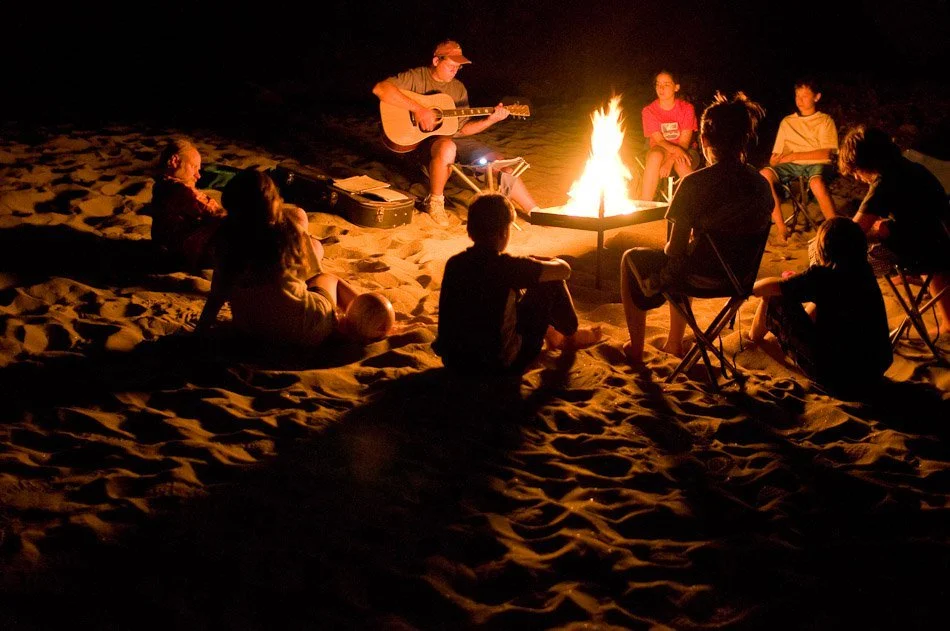
Healing is never meant to happen in isolation. Research consistently shows that strong community support — whether from family, friends, peer groups, or a therapist — dramatically improves recovery outcomes. Connection provides accountability, perspective, and encouragement when the road feels rough.
When you allow others to witness your journey, you also give them permission to celebrate their progress, too. Support systems remind you that you’re not alone in your struggles — and that your story, with all its ups and downs, can inspire others to keep going.
The Science of Gratitude and Emotional Healing
Gratitude isn’t just a feel-good concept — it’s a powerful tool backed by science. Studies from leading psychologists like Dr. Robert Emmons (1) have shown that regular gratitude practice enhances mood, strengthens relationships, reduces symptoms of depression and anxiety, and even improves sleep and physical health.
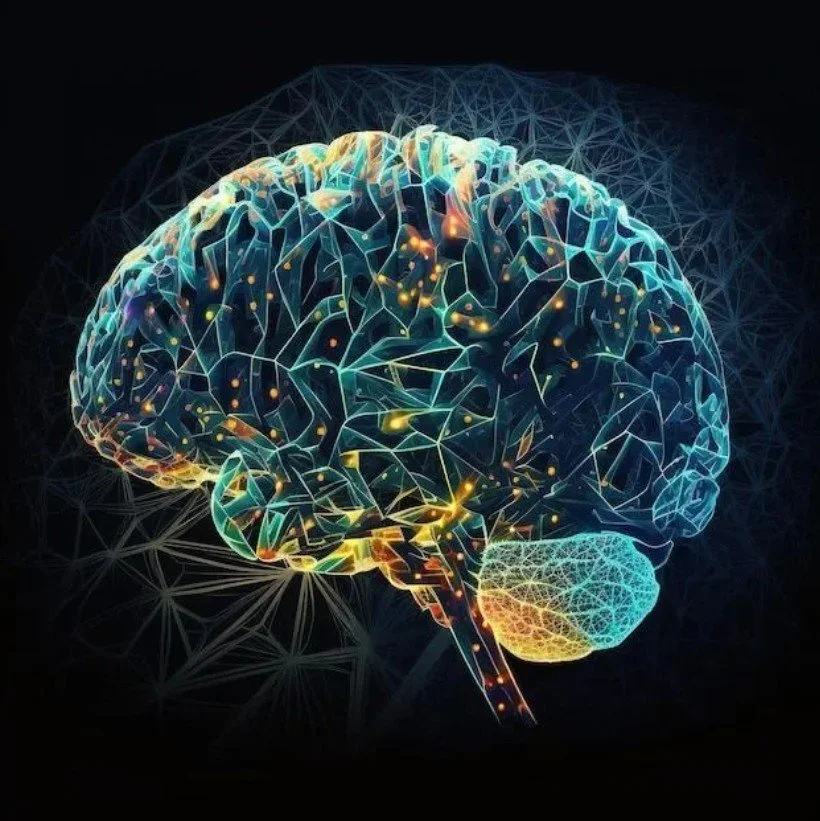
From a neurological standpoint, expressing gratitude activates brain regions associated with reward, empathy, and emotional regulation — the same areas often impacted by trauma and addiction. This makes gratitude an especially important part of recovery. By practicing appreciation, you help retrain your brain toward balance and resilience, reinforcing your capacity to experience joy and connection again.
Gratitude Strengthens Connection
When we take time to express gratitude, we naturally build stronger bonds with others. Saying “thank you” — whether to a friend who’s been by your side, a sponsor who checks in, or even to yourself for persevering — deepens emotional connection. Gratitude reminds us that healing doesn’t happen in isolation; it’s something we co-create through kindness and support.
During the holiday season, gratitude can be a grounding force. Amidst the noise, expectations, and emotional triggers this time of year can bring, choosing gratitude keeps your focus on what truly matters: connection, compassion, and presence.

Ways to Celebrate Your Growth and Practice Gratitude
Here are some simple but powerful ways to celebrate your recovery journey and express appreciation this season:
1) Write a Gratitude Letter
Choose someone who’s been part of your healing — a friend, loved one, mentor, or therapist — and write them a letter sharing how they’ve impacted your journey. You don’t even have to send it (though it’s meaningful if you do). You may also write a letter to yourself about making any hard decisions or life transitions since starting your recovery journey. The act of writing helps you reflect on your growth and recognize the people who’ve walked beside you.

2) Practice Mindful Reflection
Set aside a few minutes each day to notice one thing you appreciate about yourself or your progress. This could be something small — like showing patience during a hard day or reaching out for help instead of isolating. Over time, this strengthens your self-worth and reinforces positive change.
3) Give Back to Others
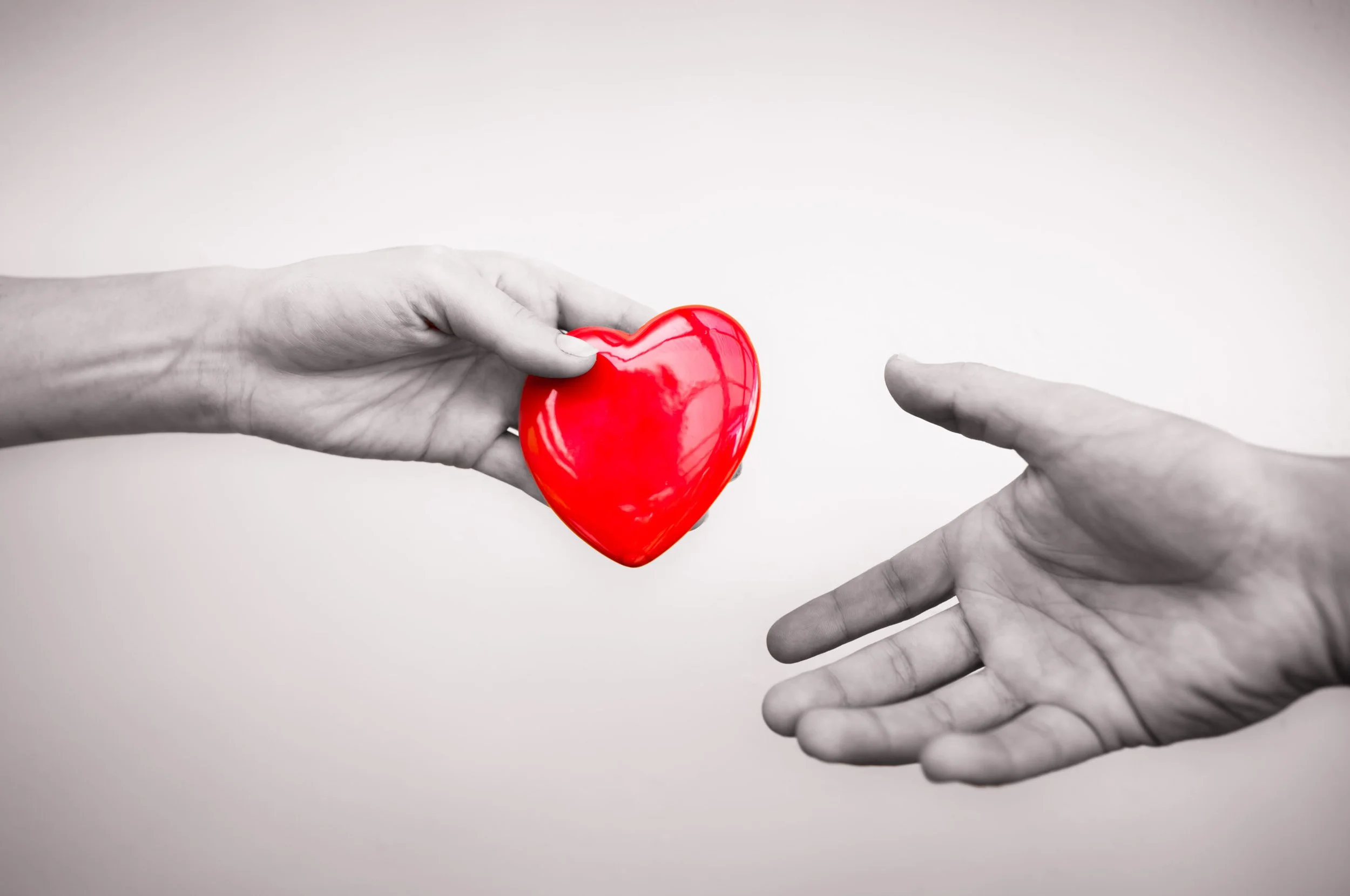
Volunteer, donate, or simply offer kindness to someone in need. Acts of generosity boost dopamine and oxytocin — the brain’s “feel-good” chemicals — and remind you that you have something valuable to offer the world. Healing often deepens when you help others find hope, too.
4) Share a Moment of Gratitude
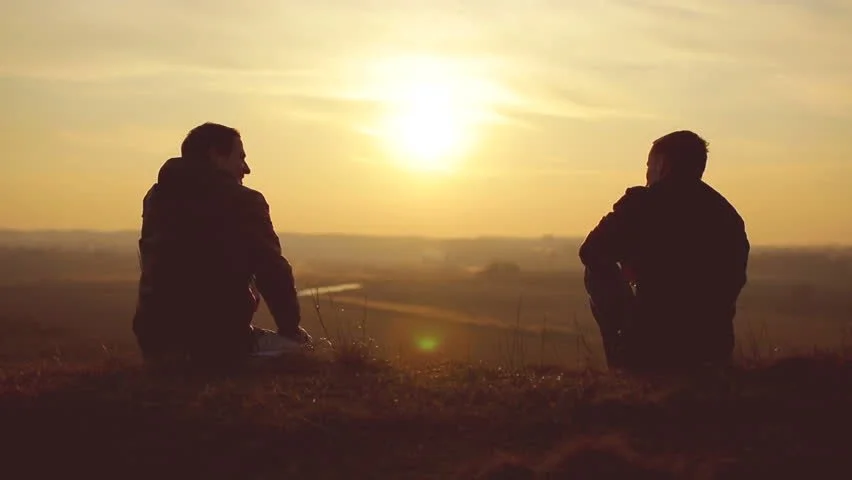
During gatherings or even a simple coffee chat, invite others to share one thing they’re grateful for this season. Creating space for collective gratitude builds community and helps everyone feel more connected and supported.
5) Reach Out and Reconnect
If there’s someone you’ve lost touch with or someone you miss, take a small step to reconnect. Sometimes the most meaningful act of gratitude is simply reaching out and saying, “I’m thinking of you.”
Moving Forward with Gratitude
Recovery isn’t about perfection — it’s about persistence, presence, and compassion. Every small victory matters. As you move through this season, celebrate your progress, honor the people who’ve supported you, and remember that gratitude is both a practice and a gift.
If you’re feeling stuck or need help rediscovering gratitude in your journey, reach out — to a trusted friend, family member, or therapist. Healing happens one step, one connection, and one grateful moment at a time.
***
SOURCES:
1) Emmons.R (2011). Why Gratitude is Good. Daily Good. https://www.dailygood.org/story/8/why-gratitude-is-good-robert-a-emmons/
Weston Zink is a Licensed Professional Counselor and Licensed Addictions Counselor in the State of Colorado, and the founder of Breakthrough Recovery of Colorado, where he specializes in helping individuals navigate the complex challenges of trauma, addiction, and recovery. With over a decade of clinical experience in trauma and addictions counseling, Weston brings a grounded, compassionate, and evidence-based approach to healing work, guiding clients toward lasting change and self-discovery.
Weston is an EMDR Certified Therapist, Consultant-in-Training, and member of EMDRIA since 2022 who’s working to heal traumatized people and communities at home and abroad.
Known for his ability to tackle tough topics with honesty and heart, Weston blends professional insight with a down-to-earth style that resonates with those ready to do the deep work. When he’s not in session, you’ll likely find him hiking Colorado’s rugged trails, volunteering with Rampart Search & Rescue, reading and writing about the human experience, or enjoying meaningful time with family and friends.
***
If you need help overcoming the challenges of trauma, addiction, and/or other mental health issues, or are interested in learning more on how you can strengthen your recovery journey, please contact us for a free consultation at: https://breakthroughrecoveryco.com/schedule-therapy-consultation-appointment.
***
* DISCLAIMER:
The information and resources contained on this website or affiliated media are for informational purposes only and are not intended to assess, diagnose, or treat any medical and/or mental health disease or condition. The use of this website or affiliated media does not imply nor establish any type of therapist-client relationship. Furthermore, the information obtained from this site or affiliated media should not be considered a substitute for a thorough medical and/or mental health evaluation by an appropriately credentialed and licensed professional.
This website or affiliated media includes links to other media that’s strictly for informational and reference purposes only. This website or affiliated media does not endorse, warrant or guarantee the products, services or information described or offered at any other website cited therein. Please examine the content carefully.
Due to the public nature this website or affiliated media, Breakthrough Recovery of Colorado cannot guarantee the confidentiality of any client who post, like, or shares content posted by Breakthrough Recovery of Colorado or its affiliates. While your support is greatly appreciated, please do so at your own risk.