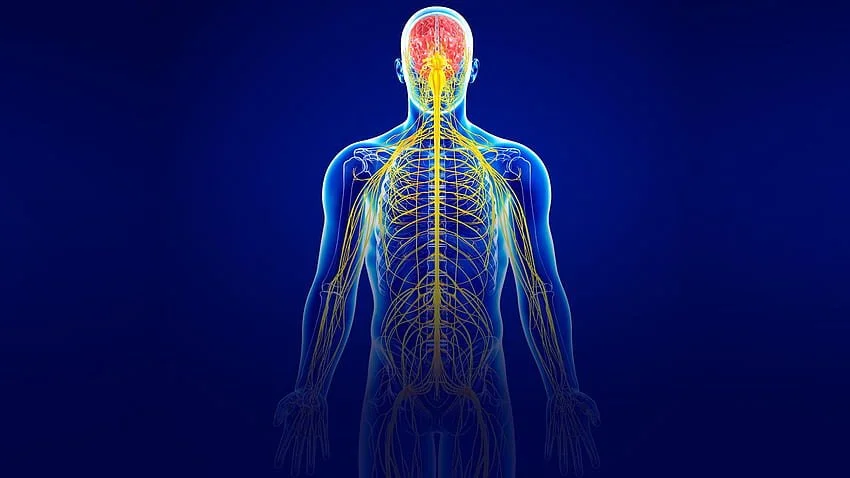
The calendar flips, the gym fills up, and suddenly everyone is trying to reinvent themselves by January 2nd. Let’s be honest—that approach burns out fast. If you want real change this year, don’t start with willpower. Start with your nervous system. Because when your nervous system feels safer, calmer, and more regulated, everything else gets easier: habits, relationships, emotions, and yes—even motivation.
Nervous System Basics (The Cliff Notes Version)
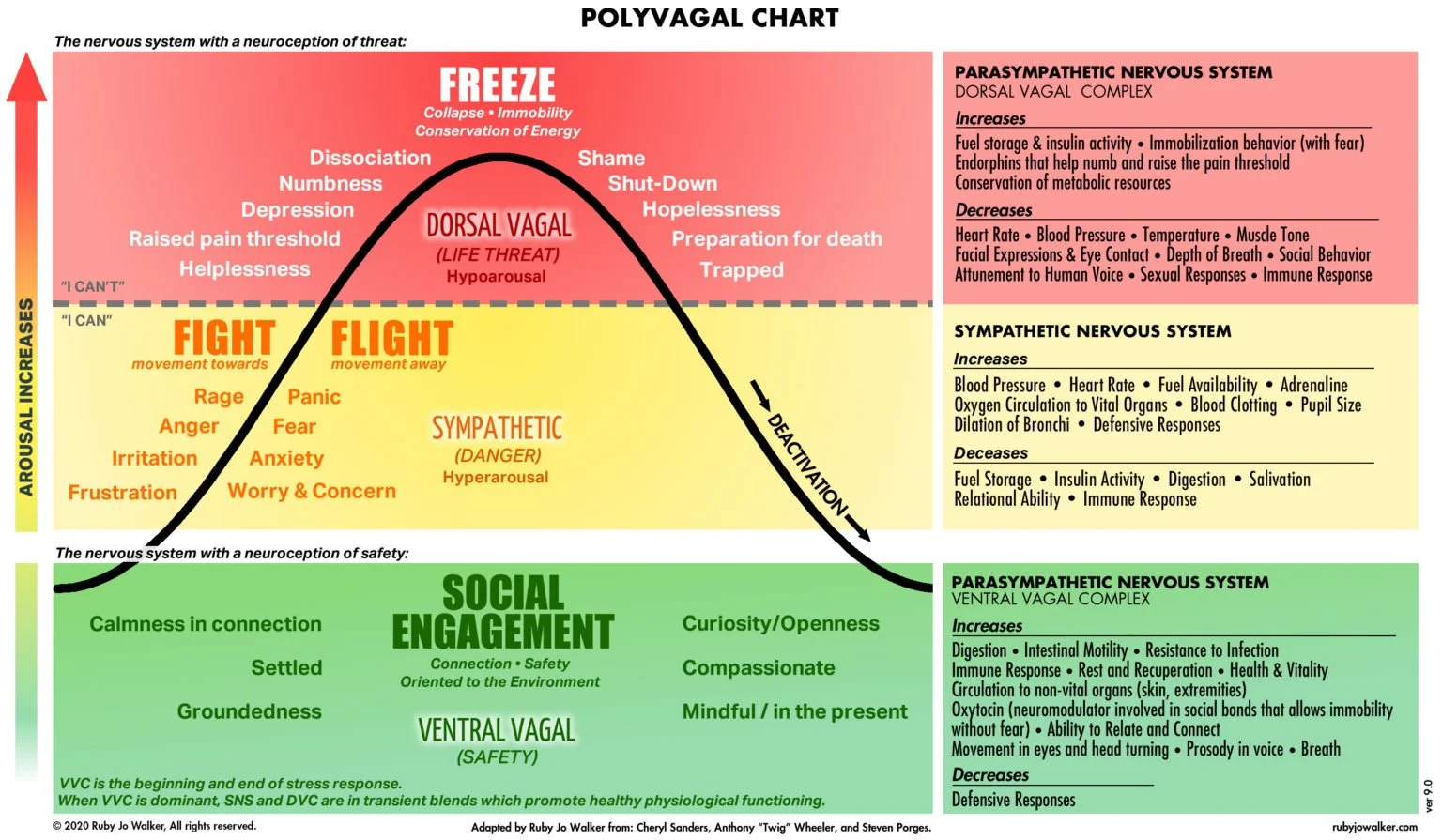
Your nervous system has one main job: keep you alive. It constantly scans for safety or threat and responds accordingly. When it senses danger—real or perceived—it shifts into fight, flight, freeze, or shutdown. That’s great if you’re avoiding a bear. Not so great if you’re just trying to answer an email or have a calm conversation with your partner.
Emotional resilience isn’t about “staying positive.” It’s about helping your nervous system return to balance after stress. Regulation first. Insight second. Always.
Trauma-Informed Routines: Less Hustle, More Safety
Trauma-informed routines recognize a simple truth: consistency matters more than intensity. If your system has learned to expect chaos, even “good” changes can feel threatening. Start small and predictable.
Examples:
Waking up and going to bed at roughly the same time
Eating regular meals (blood sugar swings = emotional swings)
Creating a short morning or evening ritual that signals safety (tea, music, stretching)
If your routine feels supportive rather than punishing, you’re doing it right. If it feels like another thing you’re failing at—scale it back.
Grounding Habits: Getting Out of Your Head and Back into Your Body
When stress ramps up, the mind races and the body tightens. Grounding brings you back to the present moment, where things are usually more manageable than your thoughts make them seem.
Diaphragmatic breathing, with slow, extended exhales (longer out-breaths tell your nervous system it’s okay to relax) (e.g. Box Breathing).
Temperature shifts (e.g. cold water on your face, wiping your face or arms with a warm or cold washcloth, holding an ice cube).
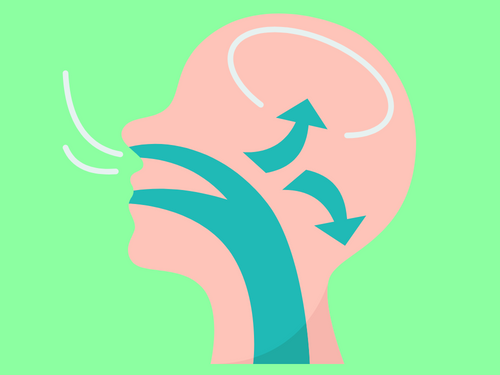


Using essential oils such as lavender, peppermint, orange, or sandalwood combined with deep breathing techniques.
Use Progressive Muscle Relaxation to gradually calm and relax the body.
Use Silencing the Alarm to help deactivate the sympathetic nervous system and calm the body.
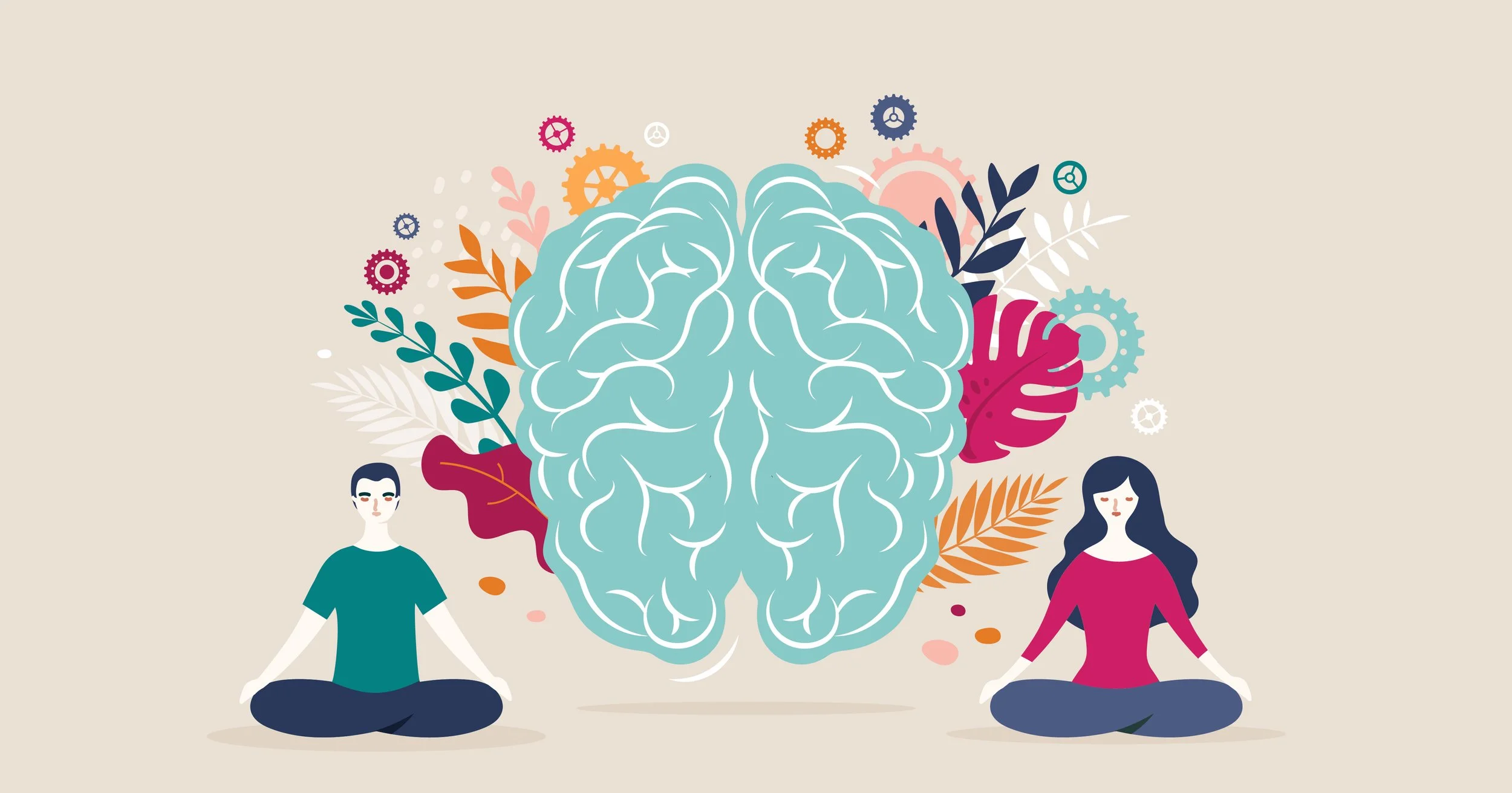
These aren’t tricks. They’re techniques to calm the body and stimulate our biological signals of safety. Use them often—especially before you’re overwhelmed.
Sustainable Self-Care (Not the Instagram Kind)

Self-care isn’t bubble baths and vacations—those are bonuses. Sustainable self-care is what you do on a regular Tuesday when no one is clapping for you.
Think:
Saying no without over-explaining
Taking breaks before you’re exhausted or overwhelmed
Checking in with yourself to better understand how you’re doing and what you’re experiencing in the present moment (e.g. body scan)
Regularly move your body in ways that feel regulating and nourishing, not punishing
Asking for help earlier instead of white-knuckling it
If your self-care requires you to be perfectly motivated or have extra time, it’s not sustainable. Build care into your life as it is, not the life you hope to have someday.
A Nervous-System-Friendly New Year

This year doesn’t need a new version of you. It needs a more supported one. Emotional resilience grows when your nervous system learns, over time, that it’s safe enough to rest, connect, and adapt. That’s not a resolution—it’s a practice.
Book a session for you, a family member, or friend to start the year with clarity and momentum. A regulated nervous system isn’t a luxury—it’s the foundation for real, lasting change.
***
Weston Zink is a Licensed Professional Counselor and Licensed Addictions Counselor in the State of Colorado, and the founder of Breakthrough Recovery of Colorado, where he specializes in helping individuals navigate the complex challenges of trauma, addiction, and recovery. With over a decade of clinical experience in trauma and addictions counseling, Weston brings a grounded, compassionate, and evidence-based approach to healing work, guiding clients toward lasting change and self-discovery.
Weston is an EMDR Certified Therapist, Consultant-in-Training, and member of EMDRIA since 2022 who’s working to heal traumatized people and communities at home and abroad.
Known for his ability to tackle tough topics with honesty and heart, Weston blends professional insight with a down-to-earth style that resonates with those ready to do the deep work. When he’s not in session, you’ll likely find him hiking Colorado’s rugged trails, volunteering with Rampart Search & Rescue, reading and writing about the human experience, or enjoying meaningful time with family and friends.
* DISCLAIMER:
The information and resources contained on this website or affiliated media are for informational purposes only and are not intended to assess, diagnose, or treat any medical and/or mental health disease or condition. The use of this website or affiliated media does not imply nor establish any type of therapist-client relationship. Furthermore, the information obtained from this site or affiliated media should not be considered a substitute for a thorough medical and/or mental health evaluation by an appropriately credentialed and licensed professional.
This website or affiliated media includes links to other media that’s strictly for informational and reference purposes only. This website or affiliated media does not endorse, warrant or guarantee the products, services or information described or offered at any other website cited therein. Please examine the content carefully.
Due to the public nature this website or affiliated media, Breakthrough Recovery of Colorado cannot guarantee the confidentiality of any client who post, comment, like, or shares content posted by Breakthrough Recovery of Colorado or its affiliates. While your support is greatly appreciated, please do so at your own risk.