
“If your relationships feel like déjà vu, there’s probably a reason.”
And no—it’s not because you keep “choosing the wrong people.” More often, it’s because unresolved trauma quietly drives your behaviors, reactions, and emotional responses inside relationships. Trauma doesn’t just affect who you date or love; it shapes how you show up, especially under stress, intimacy, or conflict. If you’ve ever thought, “What drives me keep doing this?”—you’re asking the right question.
Trauma Lives in Behavior and shapes perception, Not Just Memory
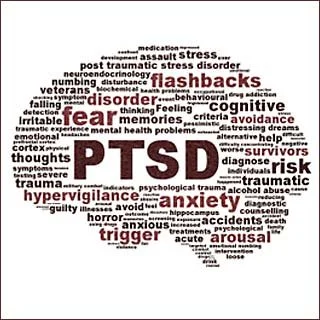
From a marriage and family therapy and attachment theory perspective, trauma is less about what happened and more about what your nervous system learned to do to survive.
Early relational wounds—neglect, emotional inconsistency, abandonment, betrayal—teach your body rules about connection:
“Closeness isn’t safe.”
“I have to work for love.”
“This person must do what I want so I don’t feel rejected or ashamed”
“If I need too much, I’ll be rejected.”
“If I depend on others, I’ll get hurt.”

These rules don’t fade with time. They surface in relationships as automatic, reflexive behaviors—not deliberate choices. Driven by the autonomic nervous system, these unconscious responses quietly shape how we see ourselves and others, often fueling shame, misinterpretation, anger and aggression, avoidance, and rigid protective patterns that interfere with genuine care and connection.
How Trauma Shapes Your Behavior in Romantic Relationships

In romantic relationships, trauma often reveals itself through protective reactions, not bad intentions. You might notice yourself:
~ Pulling away emotionally or becoming enmeshed when things get serious
~ Overanalyzing texts, tone, facial expressions, or other behaviors


~ Struggling to trust even when there’s no clear and present threat
~ Shutting down during conflict or becoming emotionally reactive
~ Avoiding vulnerability, then feeling lonely and misunderstood
~ Fawning, placating, appeasing, or manipulating others to garner attention, avoid rejection, or meet various biopsychosocial needs


~ Emotional reactivity and volatility; difficulties managing psychological distress experienced within the relationship
~ Misattributing or using sexuality as a substitute, simulation, or means for seeking genuine care (crossing of the Care-Lust affect circuits) or avoid attachment loss (crossing of the Panic-Lust circuits).
From an attachment lens, these behaviors often reflect insecure attachment patterns—anxious, avoidant, or disorganized. Trauma-trained therapists understand that these responses are your nervous system trying to prevent pain, not sabotage love. Unfortunately, what once protected you now blocks emotional intimacy.
This is how trauma creates relationship “replays.” You aren’t reliving the past because of your partner—you’re reenacting old survival strategies that no longer serve you.
Trauma in Parents of Children (Including Adult Children)

Trauma significantly shapes how parents relate to their children, often without the parent realizing it. From an attachment and family systems perspective, unresolved trauma can leave parents emotionally reactive, avoidant, or over-controlling as their children seek autonomy; especially when their children are grown adults. A parent with unprocessed attachment wounds may struggle to tolerate separation, misread independence as rejection, or rely on their child for emotional regulation—which is most commonly experienced in parents with anxious or disorganized attachment.
Trauma theory shows that when a parent’s nervous system remains stuck in survival mode, boundaries feel threatening, conflict feels dangerous, and emotional closeness becomes unpredictable. As a result, parents may oscillate between intrusion and withdrawal, reinforcing cycles of guilt, resentment, or emotional distance.

For parents of adult children, rather than responding to who their adult child is now, trauma pulls the parent into responding to unresolved fears from the past, re-enacting relational wounds across generations and quietly undermining having a healthy adult-to-adult connection with their adult children.
Trauma in Adult Child–Parent Relationships: Your Role Matters

Trauma also shapes how you engage with your parents as an adult. Even when you logically understand family dynamics, your emotional responses may feel out of your control.
Common trauma-driven behaviors include:
~ People-pleasing or over-functioning for parents
~ Avoiding difficult conversations to keep the peace
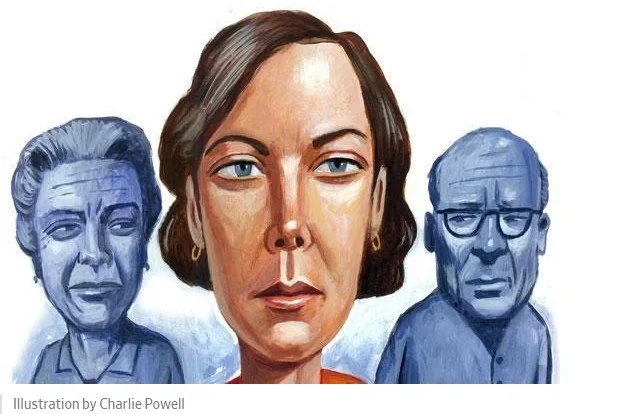
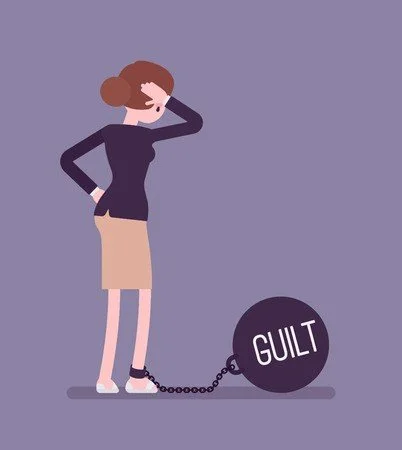
~ Feeling guilt, fear, or shame when setting boundaries or asserting needs
~ Seeking approval or reassurance you never quite receive
~ Emotional withdrawal disguised as “independence”
~ Indecisiveness; constantly seeking parental approval or authority regarding own life decisions

These behaviors are often rooted in early attachment wounds where your emotional needs were minimized, dismissed, or inconsistently met. As an adult, your body still responds as if emotional safety depends on keeping the relationship stable—sometimes at your own expense.
Final Thoughts
If your relationships feel like déjà vu, the issue isn’t that you’re broken—or that your partner or family members are the problem. It’s that trauma trained your nervous system to survive, not to connect. The encouraging truth? Those patterns are learned—and what’s learned can be unlearned. With the right support, you can move from reenacting old wounds to building relationships rooted in safety, trust, and emotional resilience.
Understanding trauma intellectually doesn’t automatically change behavior. Trauma is stored in the nervous system, not just the mind. This is why telling yourself to “calm down,” “trust more,” or “communicate better” rarely works long-term.
Healing requires helping your body learn that connection can be safe now. And growth isn’t about blaming yourself—it’s about finally giving your nervous system what it needed all along.
Weston Zink is a Licensed Professional Counselor and Licensed Addictions Counselor in the State of Colorado, and the founder of Breakthrough Recovery of Colorado, where he specializes in helping individuals navigate the complex challenges of trauma, addiction, and recovery. With over a decade of clinical experience in trauma and addictions counseling, Weston brings a grounded, compassionate, and evidence-based approach to healing work, guiding clients toward lasting change and self-discovery.
Weston is an EMDR Certified Therapist, Consultant-in-Training, and member of EMDRIA since 2022 who’s working to heal traumatized people and communities at home and abroad.
Known for his ability to tackle tough topics with honesty and heart, Weston blends professional insight with a down-to-earth style that resonates with those ready to do the deep work. When he’s not in session, you’ll likely find him hiking Colorado’s rugged trails, volunteering with Rampart Search & Rescue, reading and writing about the human experience, or enjoying meaningful time with family and friends.
***
At Breakthrough Recovery of Colorado we are here to help you recover from trauma, addiction, and/or other mental health issues that are plaguing your life, harming your relationships, and getting in the way of you living the life you truly want. Learn more about how we can best serve you at: https://breakthroughrecoveryco.com or schedule a free consultation with us at:
https://breakthroughrecoveryco.com/schedule-therapy-consultation-appointment.
***
* DISCLAIMER:
The information and resources contained on this website or affiliated media are for informational purposes only and are not intended to assess, diagnose, or treat any medical and/or mental health disease or condition. The use of this website or affiliated media does not imply nor establish any type of therapist-client relationship. Furthermore, the information obtained from this site or affiliated media should not be considered a substitute for a thorough medical and/or mental health evaluation by an appropriately credentialed and licensed professional.
This website or affiliated media includes links to other media that’s strictly for informational and reference purposes only. This website or affiliated media does not endorse, warrant or guarantee the products, services or information described or offered at any other website cited therein. Please examine the content carefully.
Due to the public nature this website or affiliated media, Breakthrough Recovery of Colorado cannot guarantee the confidentiality of any client who posts, comments, likes, or shares content posted by Breakthrough Recovery of Colorado or its affiliates. While your support is greatly appreciated, please do so at your own risk.