
Trauma and addiction don’t just live in memory — they live in the nervous system, the body, relationships, and even the spaces we inhabit. Sustainable recovery requires more than insight; it requires regulation, safety, meaning, and connection.
Research in trauma psychology, Polyvagal Theory, somatic science, and environmental design shows that healing happens when we intentionally support the body, calm the autonomic nervous system, reshape thought patterns, strengthen relationships, and cultivate purpose. When these domains work together, they promote resilience, vitality, emotional regulation, and long-term recovery. In short, we’re not just trying to reduce symptoms — we’re building a life that feels worth staying sober and present for.
In this blog, we’ll explore practical and recovery-oriented strategies to optimize your mind, body, spirit, and environment. The five (5) main strategy areas we’ll focus on are: 1) somatic or physical; 2) environmental; 3) mental or psychological; 4) social; and 5) spiritual.
1) Somatic or Physical Strategies
Purpose: Move the body, calm the nervous system, and amplify vitality
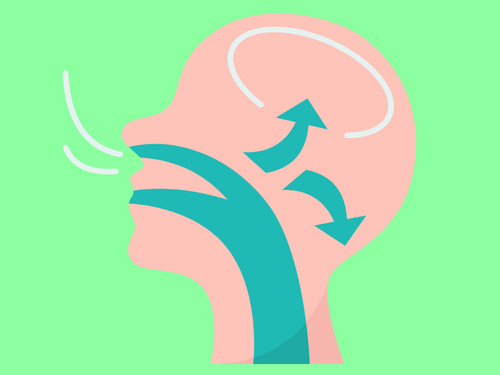
1.1 Bottom-Up Breathwork (Ventral Vagal Activation)
Practice slow, diaphragmatic breathing (4-6 breaths/min) to shift out of fight/flight. This calms the vagus nerve, regulates heart rate variability, and reduces trauma hyperarousal.

1.2 Trauma-Informed Movement Routines
Use gentle yoga, Qi Gong, or somatic movement sequences that emphasize sensation awareness over performance — reducing tension and strengthening mind-body connection.
1.3 Progressive Muscle Relaxation
Systematically tense and release muscle groups in sync with the breath. This engages safety signals in the nervous system, reducing somatic holding patterns linked to trauma.
1.4 Sensory Regulation Tools
Incorporate weighted blankets, stress balls, or textured mats. These sensory inputs help stabilize the autonomic nervous system and promote grounding.

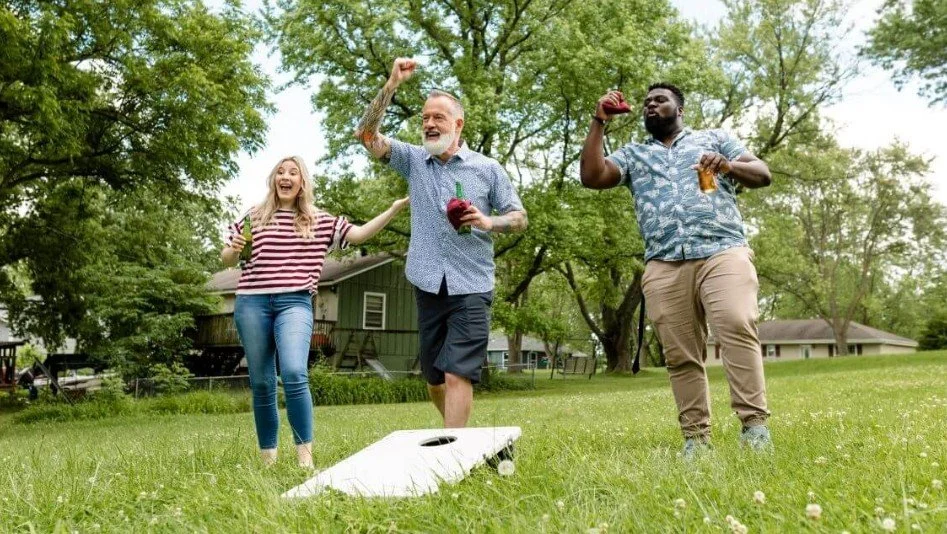
1.5 Movement Play Prescription
Schedule daily “movement snacks” (dance breaks, playful walks, nature hikes). Play increases endorphins, fosters resilience, and reinforces physical-emotional regulation.
2) Environmental Strategies
Purpose: Design spaces that support calm, recovery, and vitality — Feng Shui meets neuroscience
2.1 Declutter and Flow
Clear pathways and reduce clutter to improve Qi flow and reduce stress triggers. A clean, intentional space supports cognitive clarity and emotional grounding.


2.2 Nature & Biophilic Design
Integrate plants, natural light, and organic textures. This connects you to nature, lowers cortisol, and stimulates parasympathetic safety responses.
2.3 Anchor Zones for Regulation
Create distinct zones for rest, activity, creativity, and reflection. Color, texture, and purpose shape behavior and cue nervous system states.
2.4 Calming Soundscapes
Use low-volume nature sounds or binaural beats during downtime to soothe the nervous system and improve sleep quality.

2.5 Curate Meaningful Artifacts
Display objects that evoke safety and joy (photos, art, sentimental items). These function as daily anchors for resilience and psychological safety.
3) Mental or Psychological Strategies
Purpose: Reframe experience, build resilience, and strengthen cognitive-emotional integration
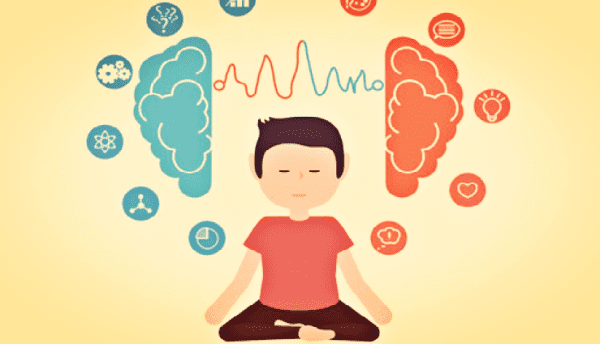
3.1 Mindfulness + Interoceptive Awareness
Practice noticing bodily sensations without judgment. This enhances emotional regulation and reduces trauma reactivity by strengthening top-down and bottom-up communication.
3.2 Time Orientation
Notice different parts of your body (“are these the hands of a child or an adult?” “Did I have these wrinkles or hair like this when I was a child?”), remind yourself where you or others are right now (“I live in Colorado. My mom or dad lives in Ohio.”), or describe the contrasts between present people vs. past people (“This is my girlfriend. Her name is Rebecca. I love and trust Rebecca. Rebecca is NOT my mom. These are other ways Rebecca and my mom are different people.”). This technique improves mood, reduces flashbacks and dissociation, and encourages self-empowerment in the present moment.

3.3 Journaling with Intent
Use structured prompts (e.g., “What grounded me today?” “Where and how did I struggle today?”). You may also journal freely (i.e. stream of consciousness writing) about any issue, challenge, or idea of your choosing. Journaling helps to process emotions, contain thoughts, promote self-awareness, and reinforce adaptive patterns rather than staying stuck in your head.
3.4 Body Scans for a Polyvagal-Aligned Check-In
Do a body scan to regularly gauge your nervous system state. Without judgement, apply strategies (breath, movement, social engagement) accordingly.

3.5 Use Your Container, Caregiving Figure, Protective Figure, or Rage Room Resources
Regularly using these guided imagery resources will help you better contain distressing thoughts and feelings, provide yourself with the nurturing or protection you need, or create a safe space to fully express anger and frustration. While you create and use these skills on your own, it’s highly recommended to work with a licensed professional counselor who can help install these resources, as well as work with any blocking or avoidance which may occur during resource installation.
4) Social Strategies
Purpose: Relationships as regulators — predictability, connection, and safety
4.1 Co-Regulation Rituals
Practice synchronized activities with trusted people (walking, breathing, music). These promote safety cues and strengthen social engagement systems.

4.2 Intentional Vulnerability
Share short, honest emotional updates with safe others. This reinforces trust and reduces defense patterns rooted in trauma.

4.3 Community Play Sessions
Join group classes, games, or shared hobbies. Play ignites joy, reduces isolation, and builds social reward pathways.
4.4 Boundaries with Compassion
Clearly communicate limits while preserving kindness. Healthy boundaries protect resource reserves and support long-term relationships.

4.5 Mentorship, Volunteering, or Buddy Systems
Partner with accountability or support peers. Shared goals increase motivation and provide consistent social safety cues.
5) Spiritual Strategies
Purpose: Cultivate meaning, coherence, and inner resonance
5.1 Daily Grounding Rituals
Create consistent morning or evening rituals — prayer, sacred text, meditation, or breath — to prime a sense of purpose and safety.


5.2 Nature-Based Contemplation
Spend mindful time outdoors without technology. This supports awe, connectivity, and somatic regulation.
5.3 Meaning Making Through Story
Reflect on personal growth narratives. This reframes adversity as part of resilience and purpose development. If your personal story holds a lot of shame, resentment, terror, or grief just notice and acknowledge that.

5.4 Guided Imagery or Visualization
Use imagery focused on safety, healing, and future flourishing; or connecting with your Higher Power; or if you’re feeling courageous enough, hold space for the discomfort and connect to it. These types of practices engage positive neural networks, provide spaciousness, and supports autonomic balance.
5.5 Gratitude and Transcendent Reflection
End each day noting moments of awe, connection, or gratitude. This fosters well-being and a deeper sense of spiritual coherence. Journal and reflect on things that are important to you, things you appreciate, and lessons you’ve learned or are currently learning.
***
Weston Zink is a Licensed Professional Counselor and Licensed Addictions Counselor in the State of Colorado, and the founder of Breakthrough Recovery of Colorado, where he specializes in helping individuals navigate the complex challenges of trauma, addiction, and recovery. With over a decade of clinical experience in trauma and addictions counseling, Weston brings a grounded, compassionate, and evidence-based approach to healing work, guiding clients toward lasting change and self-discovery.
Weston is an EMDR Certified Therapist, Consultant-in-Training, and member of EMDRIA since 2022 who’s working to heal traumatized people and communities at home and abroad.
Known for his ability to tackle tough topics with honesty and heart, Weston blends professional insight with a down-to-earth style that resonates with those ready to do the deep work. When he’s not in session, you’ll likely find him hiking Colorado’s rugged trails, volunteering with Rampart Search & Rescue, reading and writing about the human experience, or enjoying meaningful time with family and friends.
If you’re “tired of being sick and tired” and ready to take a life-changing next step in your journey, please contact Breakthrough Recovery of Colorado at: https://breakthroughrecoveryco.com/schedule-therapy-consultation-appointment for a free consultation or to schedule an appointment.
***
DISCLAIMER:
The information and resources contained on this website or affiliated media are for informational purposes only and are not intended to assess, diagnose, or treat any medical and/or mental health disease or condition. The use of this website or affiliated media does not imply nor establish any type of therapist-client relationship. Furthermore, the information obtained from this site or affiliated media should not be considered a substitute for a thorough medical and/or mental health evaluation by an appropriately credentialed and licensed professional.
This website or affiliated media includes links to other media that’s strictly for informational and reference purposes only. This website or affiliated media does not endorse, warrant or guarantee the products, services or information described or offered at any other website cited therein. Please examine the content carefully.
Due to the public nature this website or affiliated media, Breakthrough Recovery of Colorado cannot guarantee the confidentiality of any client who posts, comments, likes, or shares content posted by Breakthrough Recovery of Colorado or its affiliates. While your support is greatly appreciated, please do so at your own risk.