In everyday conversation, “stress” and “trauma” are often used interchangeably—but they are not the same. Understanding the difference isn’t just semantics; it can fundamentally change how we approach mental health, recovery, and even physical well-being. In many cases, recognizing trauma for what it is can quite literally save lives.
What Is Stress?
Stress is a natural, adaptive response of the nervous system. It helps us meet challenges, solve problems, and stay alert. From a physiological perspective, stress activates the sympathetic branch of the autonomic nervous system—raising heart rate, sharpening focus, and mobilizing energy.
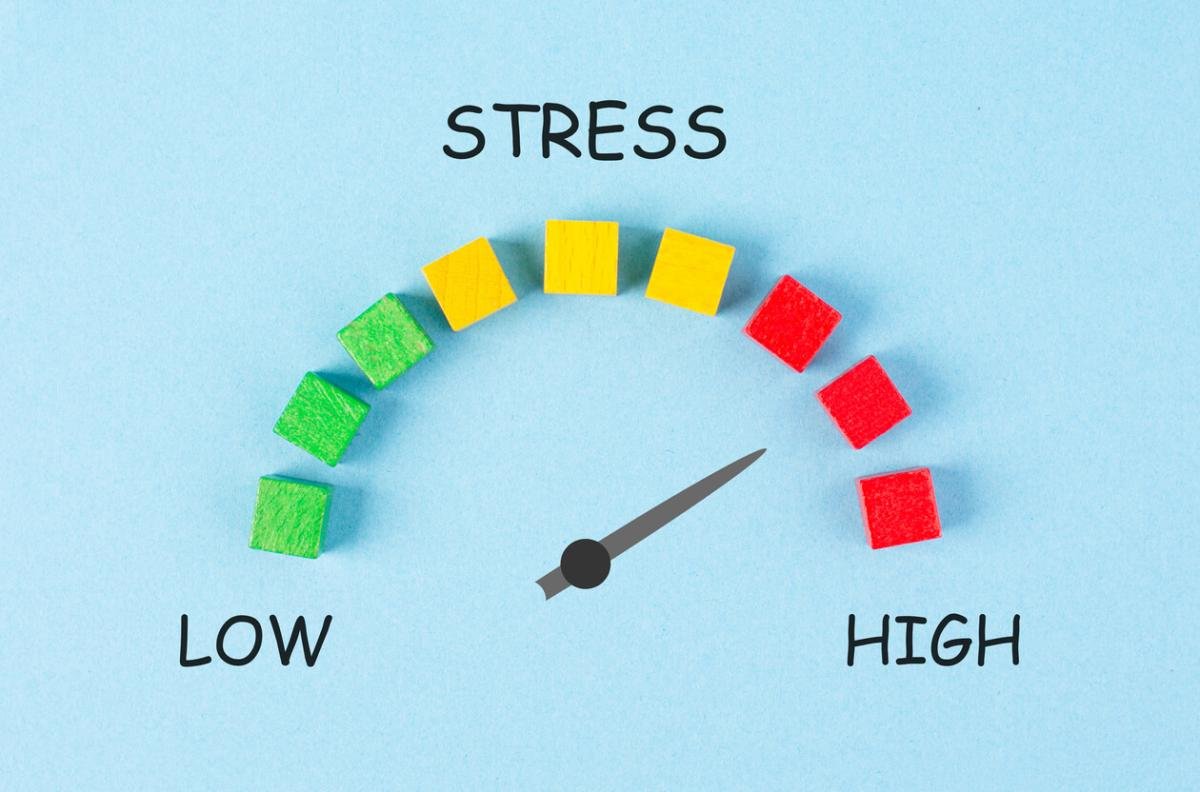
In healthy doses, stress is not only normal—it’s necessary. Exercise, learning new skills, or navigating a busy week all create manageable stress that the body can recover from. This is often referred to as eustress, or positive stress.
What Is Trauma?
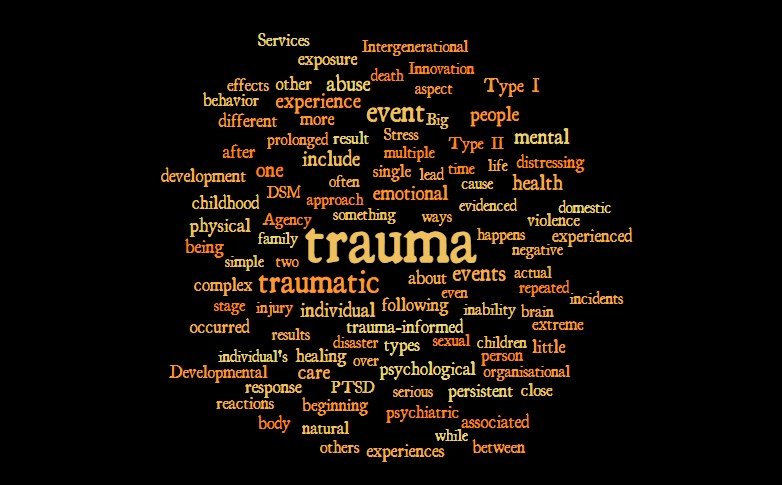
Trauma, on the other hand, occurs when stress overwhelms the nervous system’s capacity to cope. It’s not defined solely by the event itself, but by how the body processes—or fails to process—the experience.
From a polyvagal theory lens, trauma disrupts the nervous system’s ability to regulate between states of safety, activation, and shutdown. Instead of returning to baseline after a stressful event, the system gets “stuck”—often in chronic fight, flight, freeze, or collapse states.
Trauma is less about what happened and more about what got trapped in the body.
Similarities Between Stress and Trauma

Stress and trauma share important physiological and psychological features:
Activation of the nervous system (increased heart rate, rapid breathing)
Hormonal changes (elevated cortisol and adrenaline)
Cognitive impact (difficulty concentrating, racing thoughts)
Behavioral responses (avoidance, irritability, restlessness)
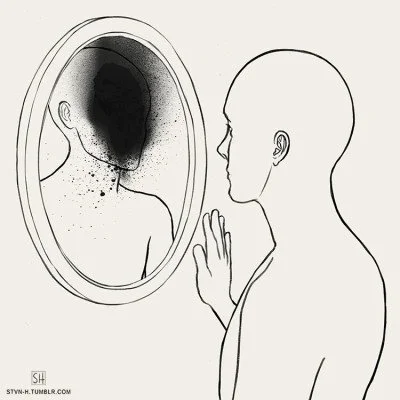
From a somatic psychology and kinesiology perspective, both stress and trauma live in the body. Muscle tension, restricted breathing patterns, and postural changes can reflect both acute stress and unresolved trauma.
This overlap is exactly why trauma is often misidentified as “just stress.”
The Critical Difference
Here’s the line in the sand:
Stress is temporary and resolves with recovery
Trauma persists and alters the system
With general stress, the nervous system returns to baseline once the stressor passes. With trauma, the body loses flexibility. The system becomes hyperactive (overreactive) or hypoactive (numb and shut down), even in safe environments.
In other words:
All trauma involves stress—but not all stress becomes trauma.
How Trauma Rewires Stress Response
Trauma changes how the brain and body interpret future stress. This is where things get serious. Through processes involving the amygdala, hippocampus, and brainstem, trauma reshapes perception and response:
Neuroception becomes distorted: The nervous system detects danger where none exists.
Baseline arousal shifts: Individuals may live in chronic anger or anxiety, in chronic numbness and shutdown, or persistently cycle between the two.


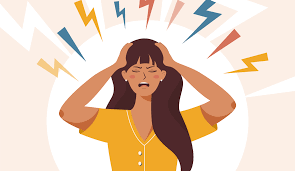

Stress tolerance window narrows: when a person continually uses maladaptive or unhealthy behaviors (e.g. substances, exercise, binge watching, distractions, gambling, sex, etc.) to cope with stress their distress tolerance window narrows overtime. Even the most minor stressors can trigger intense reactions.
Dissociative responses become amplified: to function in normal daily living and cope with continuous re-activation of trauma responses, dissociative responses such as depersonalization, derealization, and dissociative non-realization exacerbate
From a health standpoint, this dysregulation has wide-reaching effects:
Increased inflammation
Compromised immune function or autoimmune conditions
Cardiovascular strain
Digestive problems
Hormonal imbalances
What looks like “overreacting” is often a nervous system trying to survive based on past experiences.
Why This Distinction Matters
When trauma is treated as simple stress, interventions often fall short. Telling someone to “relax,” “think positive,” or “manage your stress better” doesn’t address a dysregulated and traumatized nervous system.
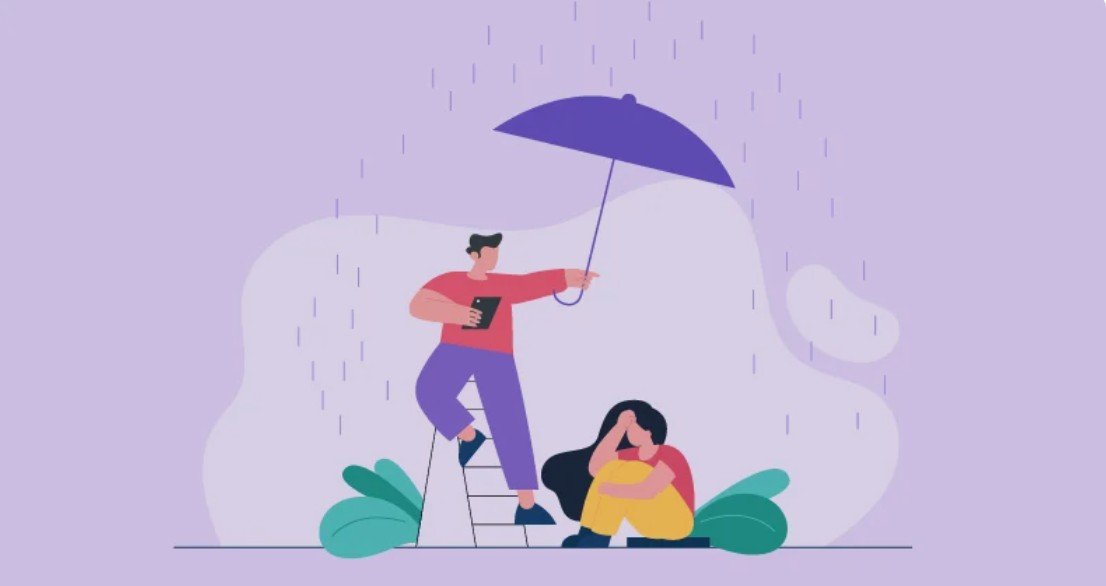
Trauma requires a different approach—one that prioritizes:
Safety and stabilization
Bottom-up (body-based) interventions
Gradual nervous system regulation
Relational attunement and connection
Desensitization and reprocessing of traumatic memories
Modalities like somatic therapy, EMDR, breathwork, and movement-based practices are effective because they work directly with the body—not just the mind.
A Practical Way to Tell the Difference
Ask this simple question:
“Does my system return to baseline after the stress passes?”
If the answer is yes, you’re likely dealing with stress.
If the answer is no—or if reactions feel disproportionate, persistent, or automatic—trauma may be involved.
Final Thoughts
Understanding the difference between stress and trauma changes everything. It shifts the focus from “What’s wrong with me?” to “What happening within my nervous system?”
And more importantly—it opens the door to the right kind of healing.
Because when trauma is recognized and treated appropriately, the nervous system can relearn safety, restore balance, and reclaim resilience.
That’s not just mental health work.
That’s life-saving work.
***
Weston Zink is a Licensed Professional Counselor and Licensed Addictions Counselor in the State of Colorado, and the founder of Breakthrough Recovery of Colorado, where he specializes in helping individuals navigate the complex challenges of trauma, addiction, and recovery. With over a decade of clinical experience in trauma and addictions counseling, Weston brings a grounded, compassionate, and evidence-based approach to healing work, guiding clients toward lasting change and self-discovery.
Weston is an EMDR Certified Therapist, Consultant-in-Training, and member of EMDRIA since 2022 who’s working to heal traumatized people and communities at home and abroad.
Known for his ability to tackle tough topics with honesty and heart, Weston blends professional insight with a down-to-earth style that resonates with those ready to do the deep work. When he’s not in session, you’ll likely find him hiking Colorado’s rugged trails, volunteering with Rampart Search & Rescue, reading and writing about the human experience, or enjoying meaningful time with family and friends.
If you’re “tired of being sick and tired” and ready to take a life-changing next step in your journey, please contact Breakthrough Recovery of Colorado at: https://breakthroughrecoveryco.com/schedule-therapy-consultation-appointment for a free consultation or to schedule an appointment.
***
DISCLAIMER:
The information and resources contained on this website or affiliated media are for informational purposes only and are not intended to assess, diagnose, or treat any medical and/or mental health disease or condition. The use of this website or affiliated media does not imply nor establish any type of therapist-client relationship. Furthermore, the information obtained from this site or affiliated media should not be considered a substitute for a thorough medical and/or mental health evaluation by an appropriately credentialed and licensed professional.
This website or affiliated media includes links to other media that’s strictly for informational and reference purposes only. This website or affiliated media does not endorse, warrant or guarantee the products, services or information described or offered at any other website cited therein. Please examine the content carefully.
Due to the public nature this website or affiliated media, Breakthrough Recovery of Colorado cannot guarantee the confidentiality of any client who posts, comments, likes, or shares content posted by Breakthrough Recovery of Colorado or its affiliates. While your support is greatly appreciated, please do so at your own risk.