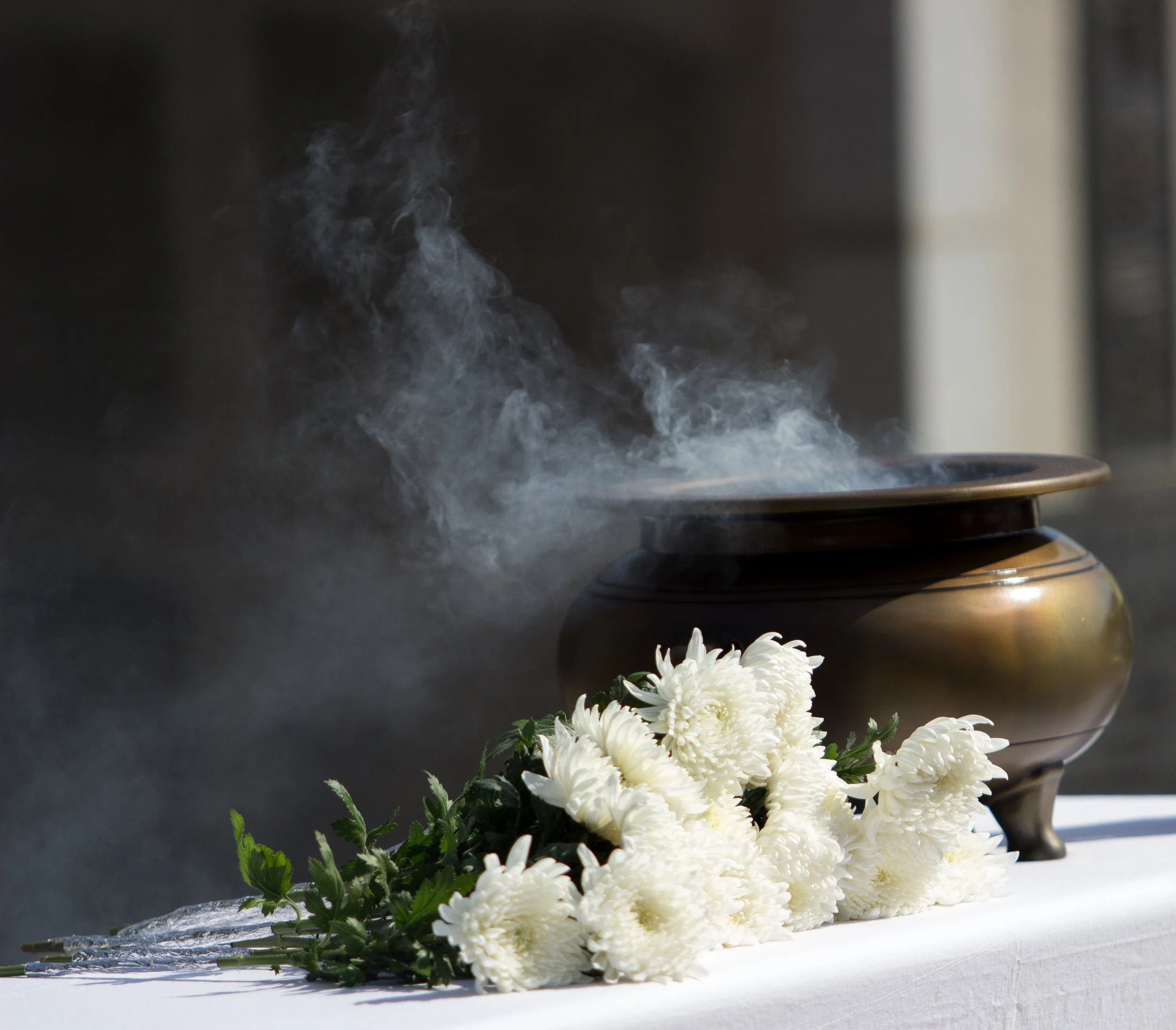
Grief is the natural emotional, psychological, physical, and sometimes spiritual response to experiencing a significant loss. While it is most commonly associated with the death of a loved one, grief can also arise from the loss of a relationship, health, identity, safety, career, sobriety, faith, or life expectations.
Grief is a state of being experienced in response to loss. Grief often involves feelings such as sadness, anger, confusion, guilt, longing, numbness, or even relief, and it can affect the body through fatigue, sleep disruption, appetite changes, and nervous system dysregulation. It is not a weakness or a disorder—it is a human process of adapting to change, mourning what was lost, and learning how to move forward while carrying that loss.
In simple terms: grief is love and attachment trying to find a place to go after loss.
Memorial Day in the United States is more than a long weekend—it is a collective ritual of remembrance. It invites us to pause, reflect, and honor those we have lost, especially those who gave their lives in military service.
But grief is not limited to death alone. People grieve relationships, health, identity, safety, sobriety, childhood, and versions of themselves they may never get back.

Understanding grief through psychology, EMDR therapy, somatic psychology, and polyvagal theory helps us recognize an important truth: not all grief is the same.
Traditional Grief vs. Traumatic Loss

“Normal” grief is painful, but it generally allows space for mourning, support, and eventual adaptation. Elisabeth Kübler-Ross famously described stages of grief—denial, anger, bargaining, depression, and acceptance—not as a checklist, but as emotional experiences people may move through in no particular order.
Traumatic loss is experienced very, very differently.
Traumatic grief occurs when a loss is sudden, violent, unexpected, or emotionally overwhelming. Examples include suicide, overdose, accidents, abuse, betrayal trauma, combat loss, or the death of a child. In these cases, the nervous system often becomes stuck in survival responses.
Polyvagal Theory explains that trauma can shift the body into chronic fight, flight, freeze, or shutdown states. Instead of processing grief naturally, the body may remain hypervigilant, numb, panicked, or disconnected. This is where grief and trauma overlap.
People often say, “I should be over this by now.” That’s usually nonsense. If the nervous system still perceives danger, healing is not about “moving on”—it is about creating enough safety for the mind and body to process what happened.
Types of Loss We Grieve
Loss is not one-size-fits-all. Grief may come from:
Death of a loved one
Divorce or relationship endings
Miscarriage or infertility

Loss of health or physical ability
Addiction recovery and letting go of old identities
Childhood trauma and unmet developmental needs
Career loss or financial instability
Military deployment, service-related trauma, or survivor’s guilt
Spiritual disconnection or loss of faith

Sometimes the hardest grief is for things no one else sees.
EMDR, Somatic Healing, and Grief Recovery
In EMDR (Eye Movement Desensitization and Reprocessing), grief work often focuses on unresolved memories, guilt, intrusive images, or traumatic moments attached to the loss.
A person may not be grieving the death itself as much as the final phone call, the hospital room, or the belief that they “should have done more.”
Somatic psychology reminds us that grief lives in the body. Tightness in the chest, shallow breathing, fatigue, digestive issues, and emotional numbness are not weakness—they are nervous system responses.
Healing often begins with regulation:
Grounding exercises
Diaphragmatic breathing
Safe place visualization
Mindful movement and walking
Restoring routines and connection
Sometimes therapy starts with helping someone sleep again before talking about meaning.
Honoring Loss Through Ritual



Humans heal through ritual. Memorial Day itself is proof of that.
Visiting gravesites, lighting candles, planting trees, writing letters to the deceased, attending faith services, creating altars, or sharing stories are powerful ways to honor grief. Spiritual traditions across cultures recognize that remembrance helps transform pain into meaning.
Ritual tells the nervous system: this mattered.
For veterans, families of service members, and those grieving military loss, Memorial Day can bring both pride and profound pain. Participating in ceremonies, moments of silence, flag placement, or acts of service can support both personal and collective healing.
Grief needs witnesses. Silence often makes suffering heavier.
Finding Support in Bereavement
Healing from grief does not mean forgetting. It means learning how to carry love and loss together.
Support may include:
Trauma-informed therapy
EMDR for traumatic grief
Grief counseling or support groups
Faith communities and spiritual guidance
Trusted family and friends
Healthy structure, sleep, and nervous system regulation
You do not need to “be strong” by grieving alone. That strategy is wildly overrated.
This month, take time to remember. Honor who or what you have lost. Grief is not a sign that something is wrong—it is evidence that something mattered.
And sometimes, healing begins simply by giving yourself permission to say: this still hurts, and it deserves care.
Weston Zink is a Licensed Professional Counselor and Licensed Addictions Counselor in the State of Colorado, and the founder of Breakthrough Recovery of Colorado, where he specializes in helping individuals navigate the complex challenges of trauma, addiction, and recovery. With over a decade of clinical experience in trauma and addictions counseling, Weston brings a grounded, compassionate, and evidence-based approach to healing work, guiding clients toward lasting change and self-discovery.
Weston is an EMDR Certified Therapist, Consultant-in-Training, and member of EMDRIA since 2022 who’s working to heal traumatized people and communities at home and abroad.
Known for his ability to tackle tough topics with honesty and heart, Weston blends professional insight with a down-to-earth style that resonates with those ready to do the deep work. When he’s not in session, you’ll likely find him hiking Colorado’s rugged trails, volunteering with Rampart Search & Rescue, reading and writing about the human experience, or enjoying meaningful time with family and friends.
If you’re “tired of being sick and tired” and ready to take a life-changing next step in your journey, please contact Breakthrough Recovery of Colorado at: https://breakthroughrecoveryco.com/schedule-therapy-consultation-appointment for a free consultation or to schedule an appointment.
DISCLAIMER:
The information and resources contained on this website or affiliated media are for informational purposes only and are not intended to assess, diagnose, or treat any medical and/or mental health disease or condition. The use of this website or affiliated media does not imply nor establish any type of therapist-client relationship. Furthermore, the information obtained from this site or affiliated media should not be considered a substitute for a thorough medical and/or mental health evaluation by an appropriately credentialed and licensed professional.
This website or affiliated media includes links to other media that’s strictly for informational and reference purposes only. This website or affiliated media does not endorse, warrant or guarantee the products, services or information described or offered at any other website cited therein. Please examine the content carefully.
Due to the public nature this website or affiliated media, Breakthrough Recovery of Colorado cannot guarantee the confidentiality of any client who posts, comments, likes, or shares content posted by Breakthrough Recovery of Colorado or its affiliates. While your support is greatly appreciated, please do so at your own risk.