
When most people think of PTSD, they picture combat veterans, flashbacks, nightmares, or someone reliving a terrifying event. Those symptoms are real — but trauma is often much quieter, more chronic, and far more misunderstood.
Many people living with trauma don’t even realize they’re experiencing it.
Modern trauma research shows that PTSD and complex trauma can reshape the nervous system, relationships, self-perception, emotional regulation, and even physical health. Trauma is not simply “what happened to you.” Trauma is the imprint left behind when overwhelming experiences exceed the brain and body’s ability to process, regulate, and recover.
That imprint can come from a single catastrophic event — or from years of emotional neglect, criticism, abandonment, parental disengagement, instability, bullying, addiction in the home, or inconsistent attachment during childhood.
6 Hidden PTSD Symptoms People Often Miss
1) Chronic Emotional Numbing
Not everyone with PTSD looks distressed. Some people feel almost nothing.
They may struggle to access joy, excitement, intimacy, grief, or even anger. Many describe feeling disconnected from themselves or “shut down.”
Often times numbing is misattributed to feeling “calm” as the absence of distress – rather than a genuine state of calmness and relaxation. In trauma theory and neuroscience, this can reflect survival adaptations within the nervous system rather than simple depression or laziness.

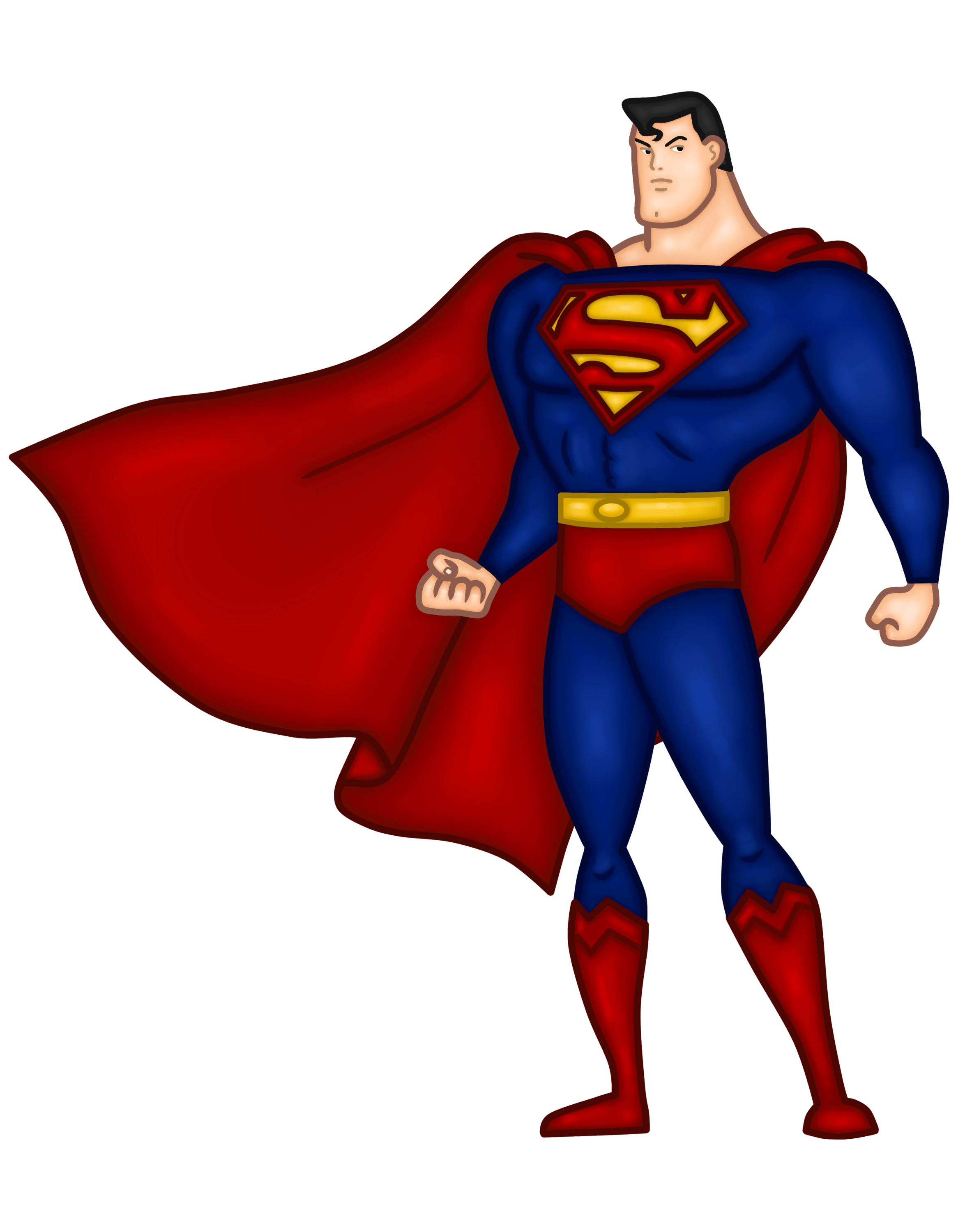
2) People-Pleasing and Hyper-Independence
Trauma survivors often become experts at survival strategies.
Some become excessively accommodating, conflict-avoidant, or approval-seeking. Others become intensely self-reliant and uncomfortable needing anyone at all. These patterns are frequently rooted in attachment trauma and adverse childhood experiences (ACEs), where safety depended on adapting to unpredictable caregivers or environments.
3) Persistent Shame and Harsh Self-Talk
One of the most overlooked symptoms of complex PTSD is a deeply ingrained negative self-concept rooted in shame.
Instead of saying, “Something bad happened to me,” many trauma survivors unconsciously believe:
“I’m not good enough.”
“I don’t matter”
“People can’t be trusted”
“I’m unlovable.”
Research on complex PTSD shows prolonged interpersonal trauma can alter identity formation, emotional regulation, and relational functioning.

4) Overreacting… or Underreacting
Trauma can sensitize the nervous system to danger.
A minor disagreement may feel catastrophic. A delayed text message may trigger panic or abandonment fears. On the other hand, some survivors barely react to objectively harmful situations because chronic trauma normalized chaos.
From a neuroscience perspective, trauma can alter fear-processing systems involving the amygdala, stress hormones, and autonomic nervous system functioning.

5) Digestive Problems, Fatigue, and Chronic Tension
PTSD is not only psychological — it is physiological.
Trauma can contribute to headaches, gastrointestinal problems, chronic pain, muscle tension, exhaustion, sleep disruption, and autoimmune-related stress responses. The body often continues operating as though danger is still present long after the original threat has passed.
6) Complex Trauma Changes Relationships
Complex trauma — especially developmental or attachment trauma — often impacts how people connect with others.
Some individuals become anxiously attached, fearing rejection or abandonment. Others become emotionally avoidant, distant, or distrustful. Many cycle between craving connection and fearing it simultaneously.
Research consistently links insecure attachment patterns with elevated PTSD and complex PTSD symptoms.

This is why trauma healing is rarely just about “thinking differently.” Healing often requires rebuilding safety in the body, emotions, relationships, and nervous system.
Trauma Is About the Imprint — Not Just the Event
Two people can experience the same event and walk away very differently. Why?
Because trauma is shaped by nervous system sensitivity, developmental history, attachment security, social support, meaning-making, and whether someone had safety and support afterward.
The event matters. But the unresolved imprint matters more.
That’s why someone with no obvious “big trauma” may still struggle with anxiety, emotional dysregulation, dissociation, perfectionism, addiction, burnout, or relationship instability.
Trauma is often less about remembering the story — and more about living inside the survival response long after the danger has ended.
And the good news? The nervous system can heal.
With approaches informed by attachment theory, trauma therapy, EMDR, somatic psychology, neuroscience, and relational safety, people can gradually retrain the brain and body to experience connection, regulation, and life beyond survival.
Weston Zink is a Licensed Professional Counselor and Licensed Addictions Counselor in the State of Colorado, and the founder of Breakthrough Recovery of Colorado, where he specializes in helping individuals navigate the complex challenges of trauma, addiction, and recovery. With over a decade of clinical experience in trauma and addictions counseling, Weston brings a grounded, compassionate, and evidence-based approach to healing work, guiding clients toward lasting change and self-discovery.
Weston is an EMDR Certified Therapist, Consultant-in-Training, and member of EMDRIA since 2022 who’s working to heal traumatized people and communities at home and abroad.
Known for his ability to tackle tough topics with honesty and heart, Weston blends professional insight with a down-to-earth style that resonates with those ready to do the deep work. When he’s not in session, you’ll likely find him hiking Colorado’s rugged trails, volunteering with Rampart Search & Rescue, reading and writing about the human experience, or enjoying meaningful time with family and friends.
If you need help overcoming the challenges of trauma, addiction, and/or other mental health issues, or are interested in learning more on how you can strengthen your recovery journey, please contact us for a free consultation at: https://breakthroughrecoveryco.com/schedule-therapy-consultation-appointment.
DISCLAIMER:
The information and resources contained on this website or affiliated media are for informational purposes only and are not intended to assess, diagnose, or treat any medical and/or mental health disease or condition. The use of this website or affiliated media does not imply nor establish any type of therapist-client relationship. Furthermore, the information obtained from this site or affiliated media should not be considered a substitute for a thorough medical and/or mental health evaluation by an appropriately credentialed and licensed professional.
This website or affiliated media includes links to other media that’s strictly for informational and reference purposes only. This website or affiliated media does not endorse, warrant or guarantee the products, services or information described or offered at any other website cited therein. Please examine the content carefully.
Due to the public nature this website or affiliated media, Breakthrough Recovery of Colorado cannot guarantee the confidentiality of any client who posts, comments, likes, or shares content posted by Breakthrough Recovery of Colorado or its affiliates. While your support is greatly appreciated, please do so at your own risk.