Shame can be one of the most painful—and persistent—obstacles to healing. Unlike guilt, which says “I did something wrong,” shame says “There is something wrong with me.” For people recovering from trauma or addiction, that distinction matters. When shame becomes part of our identity, recovery can feel less like healing and more like trying to escape ourselves.
How Trauma Creates Shame
Trauma can fundamentally alter the way we understand ourselves and the world around us. Experiences of abuse, neglect, abandonment, violence, or chronic instability can leave people feeling powerless, defective, unsafe, or fundamentally unworthy.
Shame often develops as the mind attempts to make sense of experiences that were never the person's fault. “If something bad happened to me, maybe I deserved it.” This explanation can create an illusion of control: if I am the problem, perhaps I can prevent bad things from happening again.
Over time, however, shame becomes internalized. The traumatic experience is no longer simply something that happened; it becomes part of the story we tell about who we are.
Shame, Addiction, and the Cycle of Recovery
Shame and addiction can reinforce one another. Substance use may temporarily provide relief from painful emotions, intrusive memories, loneliness, or self-criticism. But the consequences of addiction can generate additional shame—creating a cycle of distress, avoidance, substance use, and more shame.

Psychiatrist and author Gabor Maté has emphasized that addiction is often better understood through the lens of trauma, emotional pain, and unmet needs rather than simply as a failure of willpower.
This perspective does not excuse harmful behavior. Instead, it creates space to ask a more useful question: “What pain is this behavior attempting to solve?”
Compassion Is Not Self-Indulgence
Healing shame does not mean avoiding accountability. It means learning to hold ourselves accountable without treating ourselves as inherently bad.
Buddhist teachers such as Pema Chödrön and Thich Nhat Hanh have written extensively about meeting suffering with awareness, kindness, and compassion rather than resistance. Chödrön's teachings encourage us to remain present with difficult emotions instead of immediately trying to escape them. Thich Nhat Hanh similarly emphasized mindful awareness and loving-kindness as pathways toward understanding ourselves and others.

Pema Chödrön is an American-born Tibetan Buddhist nun, meditation teacher, and widely read spiritual author. Chödrön became a leading Western teacher in the Shambhala and Kagyu Buddhist traditions. Her approachable talks and writing present Buddhist ideas—especially meditation, compassion, impermanence, and nonattachment—in practical language for people facing anxiety, loss, conflict, and uncertainty.shambhala
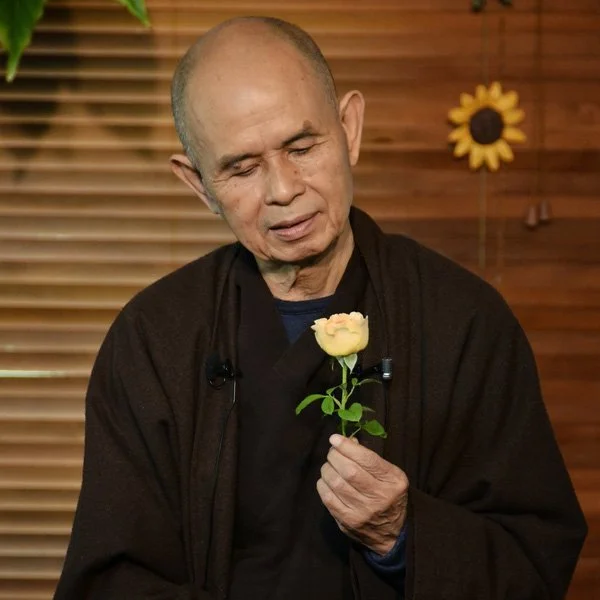
Thích Nhất Hạnh (1926–2022) was a Vietnamese Zen monk, poet, peace activist, and author whose teachings helped bring mindfulness into global public life. During the Vietnam War, he advocated for peace and organized humanitarian and educational efforts rather than supporting either side; his public antiwar stance led to an exile from Vietnam that lasted nearly four decades. His writing is known for its simple, practical emphasis on breathing, walking, eating, listening, and speaking with full awareness. Rather than presenting mindfulness as merely stress reduction, he framed it as a discipline for cultivating compassion, understanding interdependence, and acting peacefully in the world.
Compassion creates enough psychological safety to examine painful experiences without becoming overwhelmed by them.
Instead of:
“What's wrong with me?”
Try:
“What happened to me, what am I carrying, and what do I need now?”
That shift may seem small, but it can fundamentally change the recovery process.
An Invitation to a Loving-Kindness Mindfulness Practice
Take a comfortable breath and allow your attention to settle into the present moment.

Place a hand over your heart or another place that feels grounding. Slowly repeat:
May I be safe.
May I be free from unnecessary suffering.
May I accept myself as I am today.
May I have the courage to heal.
May I learn to treat myself with compassion.
If shame arises, you do not need to argue with it. Simply notice: “Shame is here.” Breathe. Return to the words.
You can eventually extend the practice toward others:
May we all be safe.
May we all heal.
May we learn to meet suffering with compassion.
Healing Shame Starts with Changing the Relationship with Yourself
Trauma and addiction may have taught you to survive through avoidance, self-protection, or self-criticism. Recovery offers an opportunity to develop something different: curiosity, accountability, compassion, and connection.

You do not have to hate yourself into becoming healthier.
Shame says you must become worthy of compassion. Healing begins when you recognize that compassion is part of how you become whole.
About the Author
Weston Zink is a Licensed Professional Counselor and Licensed Addictions Counselor in the State of Colorado, and the founder of Breakthrough Recovery of Colorado, where he specializes in helping individuals navigate the complex challenges of trauma, addiction, and recovery. With over a decade of clinical experience in trauma and addictions counseling, Weston brings a grounded, compassionate, and evidence-based approach to healing work, guiding clients toward lasting change and self-discovery.
Weston is an EMDR Certified Therapist, Consultant-in-Training, and member of EMDRIA since 2022 who’s working to heal traumatized people and communities at home and abroad.
Known for his ability to tackle tough topics with honesty and heart, Weston blends professional insight with a down-to-earth style that resonates with those ready to do the deep work. When he’s not in session, you’ll likely find him hiking Colorado’s rugged trails, volunteering with Rampart Search & Rescue, reading and writing about the human experience, or enjoying meaningful time with family and friends.
If you’re ready to transform your life and level up your recovery from trauma, addiction, and/or other mental health issues, or have any questions about how we can best serve to you, contact us at: https://breakthroughrecoveryco.com/schedule-therapy-consultation-appointment.
DISCLAIMER:
The information and resources contained on this website or affiliated media are for informational purposes only and are not intended to assess, diagnose, or treat any medical and/or mental health disease or condition. The use of this website or affiliated media does not imply nor establish any type of therapist-client relationship. Furthermore, the information obtained from this site or affiliated media should not be considered a substitute for a thorough medical and/or mental health evaluation by an appropriately credentialed and licensed professional.
This website or affiliated media includes links to other media that’s strictly for informational and reference purposes only. This website or affiliated media does not endorse, warrant or guarantee the products, services or information described or offered at any other website cited therein. Please examine the content carefully.
Due to the public nature this website or affiliated media, Breakthrough Recovery of Colorado cannot guarantee the confidentiality of any client who posts, comments, likes, or shares content posted by Breakthrough Recovery of Colorado or its affiliates. While your support is greatly appreciated, please do so at your own risk.