Do you constantly feel anxious, on edge, emotionally exhausted, or like your body never truly relaxes? If so, your nervous system may be stuck in survival mode. Trauma doesn't just affect your memories—it changes how your brain and body perceive safety, shaping your emotions, relationships, and even your sense of self.
Understanding how your nervous system works is the first step toward healing.
Why Trauma Keeps Your Nervous System on High Alert
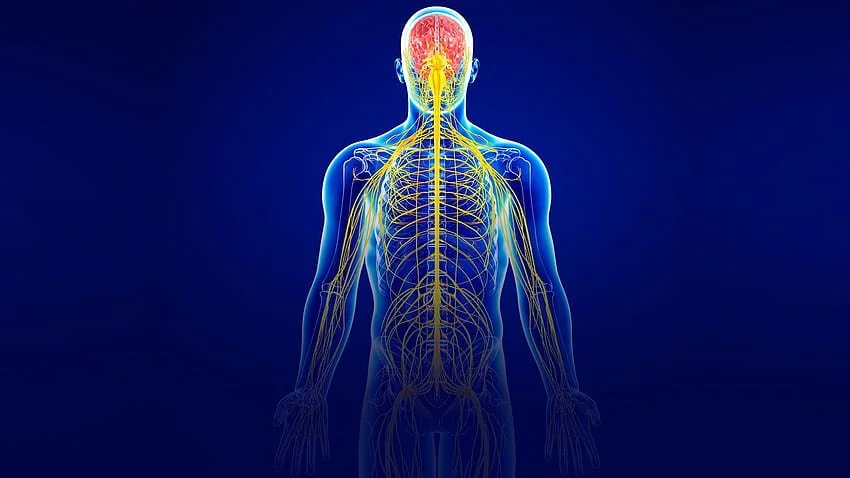
Your autonomic nervous system automatically regulates functions like breathing, heart rate, and your stress response. According to Polyvagal Theory, your nervous system is constantly scanning for danger through a process called neuroception—your brain's unconscious ability to detect whether something feels safe, dangerous, or life-threatening.
When you've experienced trauma, neuroception often becomes biased toward detecting threat. Ordinary situations—criticism, conflict, crowded places, or uncertainty—may trigger the same survival responses that once helped you endure overwhelming experiences.

The Adaptive Information Processing (AIP) Model, which forms the foundation of EMDR therapy, explains why this happens. Traumatic experiences can become stored in isolated memory networks along with the emotions, body sensations, beliefs, and survival responses that existed during the original event. When something in the present resembles the past, those old neural networks reactivate as if the danger is happening again.
This is why you may logically know you're safe while your body insists otherwise.
Over time, repeated activation of the stress response can shape your identity. Instead of thinking, "My nervous system is reacting to a past experience," many people begin believing, "I'm broken," "I'm weak," "I'm always anxious," or "The world isn't safe." Trauma becomes a lens through which you interpret yourself and everyone around you.
Fortunately, your nervous system is capable of learning safety again.
3 Somatic Exercises to Calm Your Nervous System
Healing trauma isn't just about changing your thoughts—it also involves helping your body experience safety. Somatic practices communicate directly with your nervous system and gradually increase your capacity for regulation.
1. Diaphragmatic Breathing
Slow, deep breathing stimulates the vagus nerve and encourages your body to shift out of fight-or-flight.
Try this:
Place one hand on your chest and one on your abdomen.
Inhale through your nose for 4 seconds, allowing your belly to expand.
Exhale slowly through your mouth for 6–8 seconds.
Continue for 2–5 minutes.

Longer exhales tell your nervous system that the immediate threat has passed.
2. Aromatherapy Grounding
Smell has a direct connection to areas of the brain involved in emotion and memory, making it a powerful grounding tool.


Try this:
Choose a calming essential oil such as lavender, bergamot, cedarwood, or frankincense to calm the nervous system; or peppermint oil to “awaken” the nervous system and clear your mind (very helpful with dissociation).
Inhale slowly, breathing deeply with your diaphragm, for several breaths while paying attention to the scent.
Notice any changes in your breathing, muscle tension, or emotional state without judging the experience.
Over time, your brain can begin associating these scents with feelings of safety and calm.
3. Progressive Muscle Relaxation
Trauma often leaves muscles chronically tense, even when you're unaware of it.
Try this:
Starting with your feet, gently tense the muscles for 5 seconds.
Slowly release for 10–15 seconds.
Move upward through your calves, thighs, abdomen, hands, arms, shoulders, neck, and face.
Notice the contrast between tension and relaxation.

This exercise helps your brain recognize that your body no longer needs to remain prepared for danger.
Healing Is Training Your Nervous System
Recovery isn't about forcing yourself to "just relax." It's about helping your nervous system learn that the present is different from the past. With consistent practice, your body can become less reactive, your mind clearer, and your sense of self more grounded.
If your stress response feels overwhelming or persistent, working with a trauma-informed therapist trained in approaches like EMDR, somatic therapy, and Polyvagal Theory can help you safely retrain your nervous system and reconnect with a greater sense of safety, resilience, and confidence.
Weston Zink is a Licensed Professional Counselor and Licensed Addictions Counselor in the State of Colorado, and the founder of Breakthrough Recovery of Colorado, where he specializes in helping individuals navigate the complex challenges of trauma, addiction, and recovery. With over a decade of clinical experience in trauma and addictions counseling, Weston brings a grounded, compassionate, and evidence-based approach to healing work, guiding clients toward lasting change and self-discovery.
Weston is an EMDR Certified Therapist, Consultant-in-Training, and member of EMDRIA since 2022 who’s working to heal traumatized people and communities at home and abroad.
Known for his ability to tackle tough topics with honesty and heart, Weston blends professional insight with a down-to-earth style that resonates with those ready to do the deep work. When he’s not in session, you’ll likely find him hiking Colorado’s rugged trails, volunteering with Rampart Search & Rescue, reading and writing about the human experience, or enjoying meaningful time with family and friends.
If you’re ready to transform your life and level up your recovery from trauma, addiction, and/or other mental health issues, or have any questions about how we can best serve to you, contact us at: https://breakthroughrecoveryco.com/schedule-therapy-consultation-appointment.
DISCLAIMER:
The information and resources contained on this website or affiliated media are for informational purposes only and are not intended to assess, diagnose, or treat any medical and/or mental health disease or condition. The use of this website or affiliated media does not imply nor establish any type of therapist-client relationship. Furthermore, the information obtained from this site or affiliated media should not be considered a substitute for a thorough medical and/or mental health evaluation by an appropriately credentialed and licensed professional.
This website or affiliated media includes links to other media that’s strictly for informational and reference purposes only. This website or affiliated media does not endorse, warrant or guarantee the products, services or information described or offered at any other website cited therein. Please examine the content carefully.
Due to the public nature this website or affiliated media, Breakthrough Recovery of Colorado cannot guarantee the confidentiality of any client who posts, comments, likes, or shares content posted by Breakthrough Recovery of Colorado or its affiliates. While your support is greatly appreciated, please do so at your own risk.