

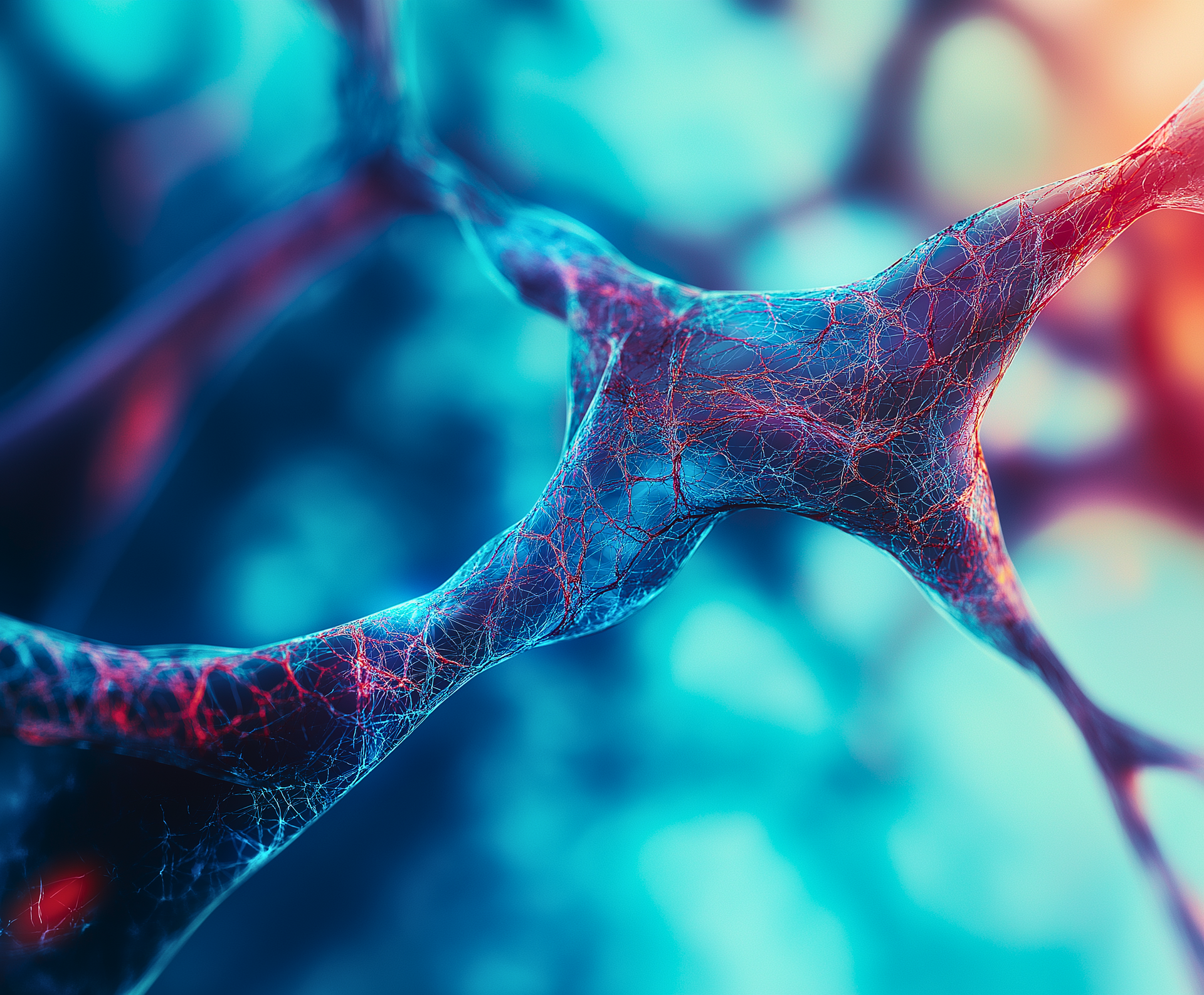
Do you constantly feel anxious, on edge, emotionally exhausted, or like your body never truly relaxes? If so, your nervous system may be stuck in survival mode. Trauma doesn't just affect your memories—it changes how your brain and body perceive safety, shaping your emotions, relationships, and even your sense of self.
Stress vs. Trauma: Knowing the Difference Saves Lives
In everyday conversation, “stress” and “trauma” are often used interchangeably—but they are not the same. Understanding the difference isn’t just semantics; it can fundamentally change how we approach mental health, recovery, and even physical well-being. In many cases, recognizing trauma for what it is can quite literally save lives.
New Year, New Nervous System: How to Build Emotional Resilience in the New Year
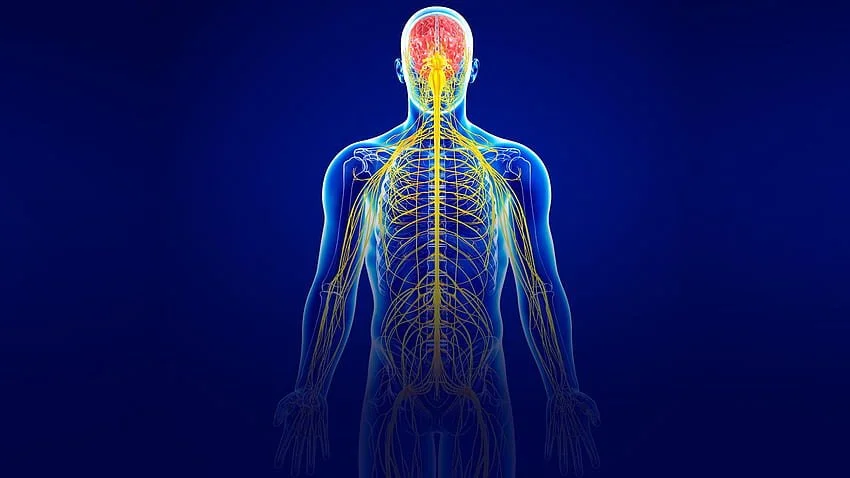
Understanding PTSD: How Trauma Reshapes the Autonomic Nervous System and Brain
Post-Traumatic Stress Disorder (PTSD) is not just a psychological response to a terrifying event—it’s a full-body and brain-level transformation. After trauma, the nervous system and brain don’t just remember what happened—they reorganize themselves to ensure survival. PTSD is more than a memory — it changes the way we experience the world.

