
You can't change your childhood—but you can stop reliving it.
Many people believe trauma is something that happened years ago. In reality, trauma often continues to shape how we think, feel, relate, and respond long after the original events have ended. While you cannot rewrite your childhood or erase painful experiences, you can break the patterns that keep those experiences alive in the present.
True independence is not simply being self-sufficient. It's the ability to make choices based on who you are today rather than reacting from wounds created long ago.
Why Trauma Keeps Repeating Itself
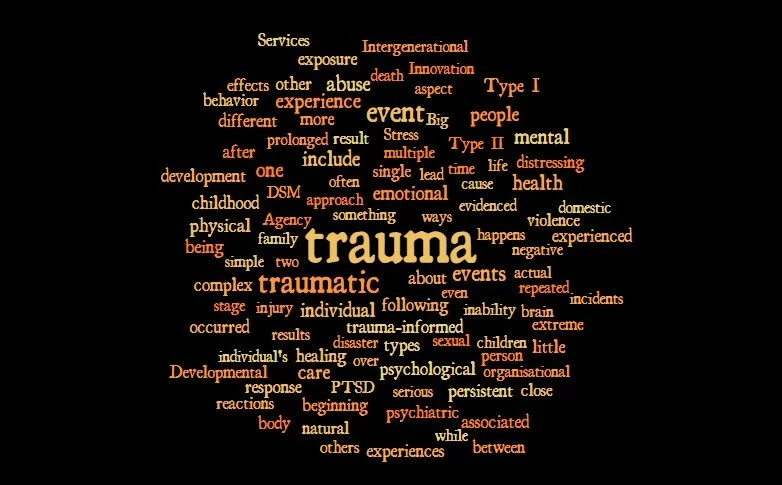
Trauma isn't just the event itself. Trauma is the lasting imprint left on the nervous system, beliefs, relationships, and sense of self.
According to Polyvagal Theory, our nervous system is constantly scanning for safety and danger. If childhood experiences taught us that relationships were unpredictable, unsafe, or emotionally unavailable, our nervous system may continue to respond as though those threats still exist.
Attachment Theory tells us that early relationships create templates for future relationships. Children who grow up with inconsistency, neglect, criticism, or abuse often carry unconscious expectations into adulthood, repeatedly finding themselves in similar dynamics.
This is why many people feel trapped in cycles they don't consciously choose.
Common Trauma Responses That Keep People Stuck
Trauma patterns often disguise themselves as personality traits, coping skills, or relationship habits. Some common examples include:
People-pleasing and difficulty setting boundaries
Chronic anxiety and hypervigilance
Emotional numbness or disconnection
Persistent and/or unprovoked anger, frustration, rage


Fear of abandonment or rejection
Perfectionism and overachievement
Flashbacks (reliving aspects of traumatic memories as if they were occurring in the present moment)
Externalization; blaming; external locus of control (seeking to control everything outside of ourself in order to feel okay)
Feeling a sense of disconnection or detachment from self or others
Hyper-independence and difficulty asking for help
Repeatedly choosing unhealthy or toxic relationships
Self-sabotage when opportunities arise
Memory problems; difficulties recalling aspects of traumatic events
Feeling responsible for other people's emotions
Constantly seeking validation from others

While these behaviors may have once helped you survive, they often prevent you from fully living in the present.
5 Strategies to Break Trauma Cycles
1. Learn to Recognize Your Triggers
Many trauma responses occur automatically. A disagreement with a partner may trigger the same fear, shame, or helplessness you experienced as a child.
Begin noticing situations that produce strong emotional reactions. Ask yourself: "What does this situation remind me of?"
Awareness is the first step toward creating new choices.

2. Regulate Your Nervous System
Healing trauma is not just about understanding your story—it's about helping your body feel safe.
Practices that support nervous system regulation include:
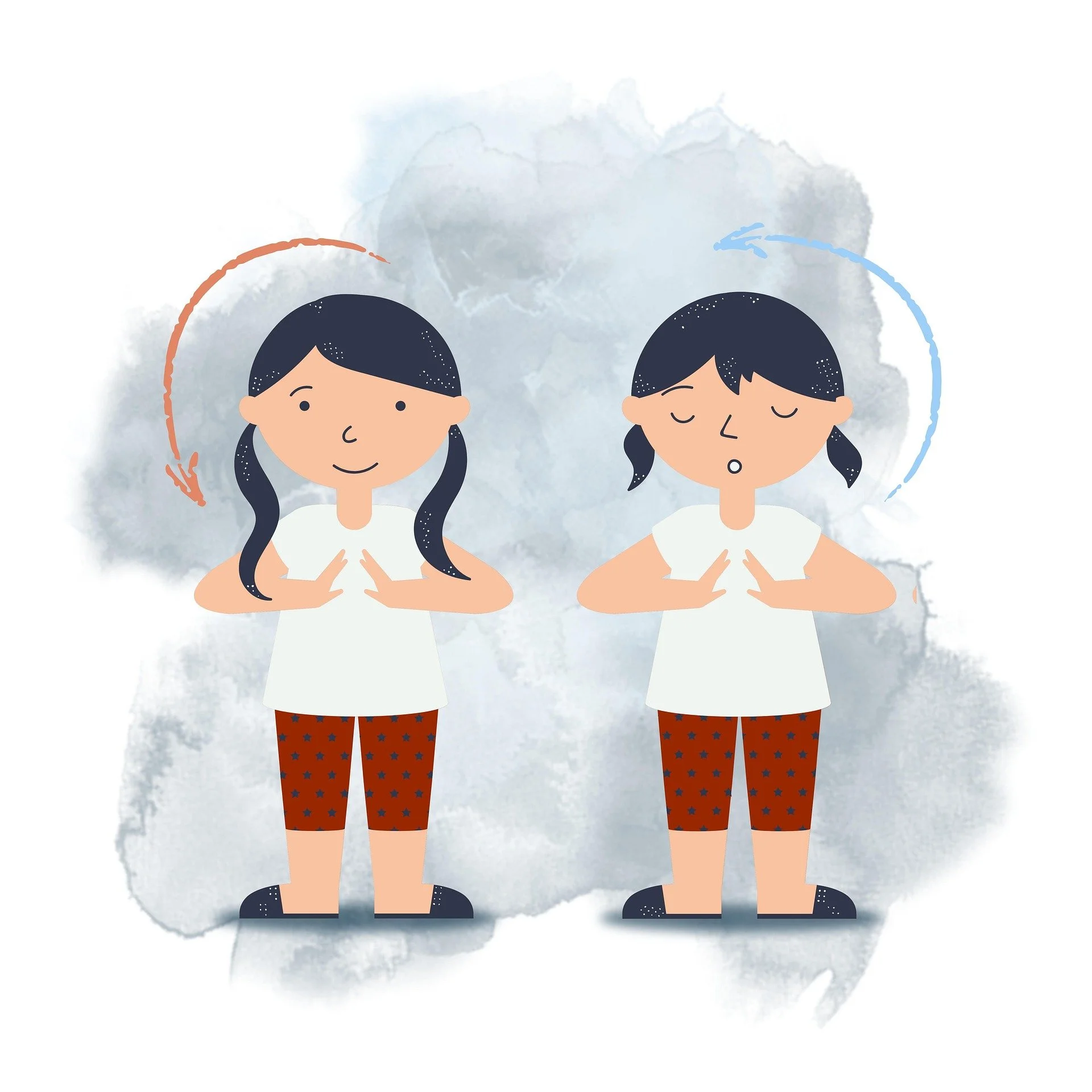
Deep diaphragmatic breathing
Mindfulness and meditation
Exercise and movement
Grounding techniques
Spending time in supportive relationships
When your nervous system feels safer, you're less likely to react from old survival patterns.
3. Challenge Old Core Beliefs
Trauma often creates deeply rooted beliefs such as:
"I'm not good enough."
"People will leave me."
"I have to do everything myself."
"I can't trust anyone."
These beliefs may have developed for understandable reasons, but they are not necessarily true today.
Working with a trauma-informed therapist can help identify and update beliefs that no longer serve you.

4. Build Secure Relationships
Healing happens in relationships.
Research consistently shows that safe, supportive connections help create new attachment experiences. Healthy relationships teach the nervous system that trust, vulnerability, and connection can exist without danger.
This may involve learning boundaries, communicating needs, and choosing relationships that support growth rather than repeating familiar dysfunction.

5. Process the Root Trauma
Insight alone rarely resolves trauma.
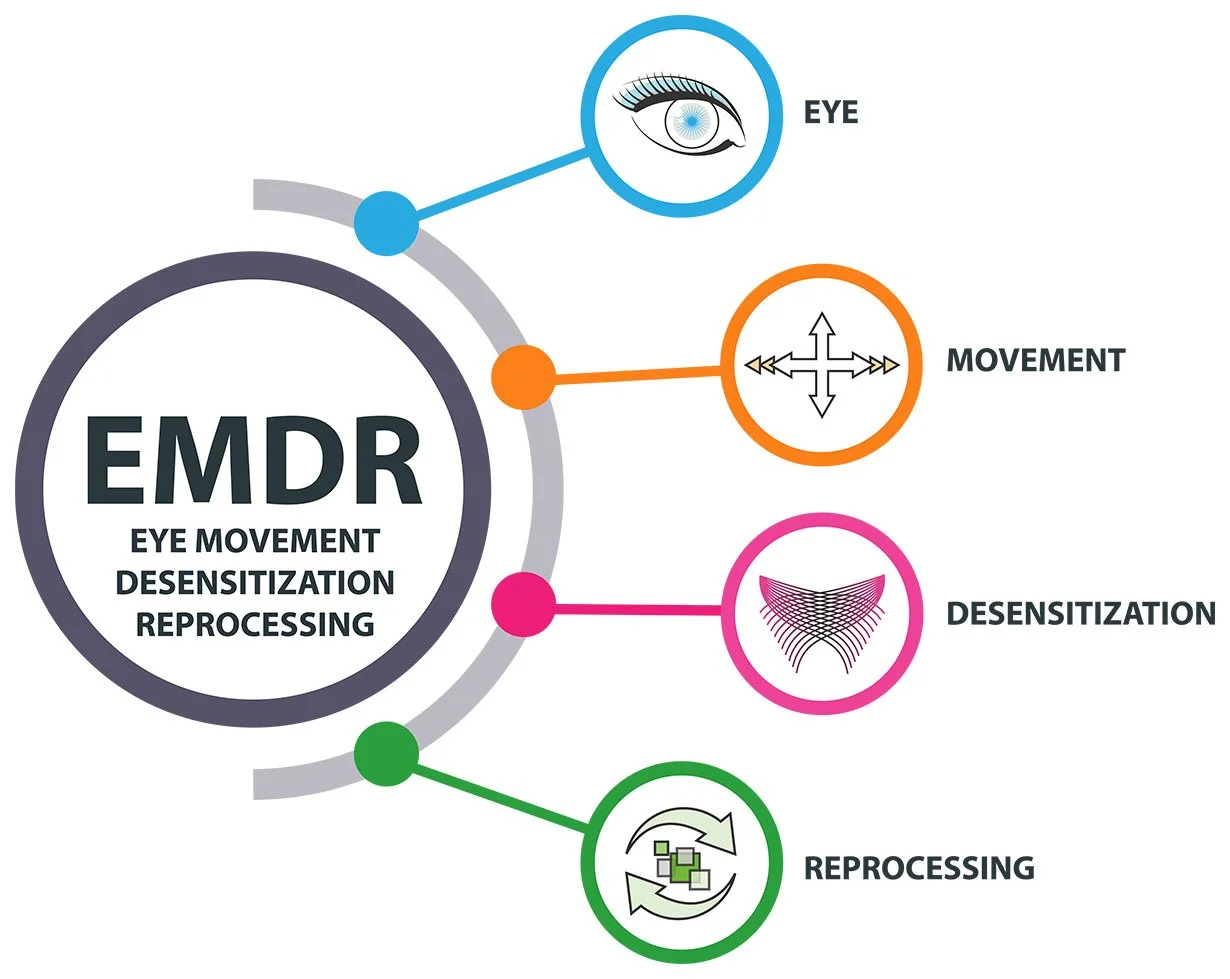
Approaches such as EMDR, somatic therapies, attachment-focused therapy, and other evidence-based trauma treatments help individuals process unresolved experiences stored within the nervous system.
When the original wounds are addressed, many symptoms begin to lose their intensity and influence.
Freedom Is Possible
Breaking trauma cycles is not about blaming parents, dwelling on the past, or achieving perfection. It's about understanding how past experiences continue to influence present choices and learning how to respond differently.
You may not have chosen what happened to you, but you can choose what happens next.
The goal of trauma recovery is not to become a different person. The goal is to become more fully yourself—free from the survival strategies that were once necessary but are no longer needed.
You can't change your childhood. But with awareness, support, and intentional healing, you can stop reliving it and begin creating a future that is truly your own.
Weston Zink is a Licensed Professional Counselor and Licensed Addictions Counselor in the State of Colorado, and the founder of Breakthrough Recovery of Colorado, where he specializes in helping individuals navigate the complex challenges of trauma, addiction, and recovery. With over a decade of clinical experience in trauma and addictions counseling, Weston brings a grounded, compassionate, and evidence-based approach to healing work, guiding clients toward lasting change and self-discovery.
Weston is an EMDR Certified Therapist, Consultant-in-Training, and member of EMDRIA since 2022 who’s working to heal traumatized people and communities at home and abroad.
Known for his ability to tackle tough topics with honesty and heart, Weston blends professional insight with a down-to-earth style that resonates with those ready to do the deep work. When he’s not in session, you’ll likely find him hiking Colorado’s rugged trails, volunteering with Rampart Search & Rescue, reading and writing about the human experience, or enjoying meaningful time with family and friends.
***
At Breakthrough Recovery of Colorado we are here to help you recover from trauma, addiction, and/or other mental health issues that are plaguing your life, harming your relationships, and getting in the way of you living the life you truly want. Learn more about how we can best serve you at: https://breakthroughrecoveryco.com or schedule a free consultation with us at:
https://breakthroughrecoveryco.com/schedule-therapy-consultation-appointment.
***
DISCLAIMER:
The information and resources contained on this website or affiliated media are for informational purposes only and are not intended to assess, diagnose, or treat any medical and/or mental health disease or condition. The use of this website or affiliated media does not imply nor establish any type of therapist-client relationship. Furthermore, the information obtained from this site or affiliated media should not be considered a substitute for a thorough medical and/or mental health evaluation by an appropriately credentialed and licensed professional.
This website or affiliated media includes links to other media that’s strictly for informational and reference purposes only. This website or affiliated media does not endorse, warrant or guarantee the products, services or information described or offered at any other website cited therein. Please examine the content carefully.
Due to the public nature this website or affiliated media, Breakthrough Recovery of Colorado cannot guarantee the confidentiality of any client who posts, comments, likes, or shares content posted by Breakthrough Recovery of Colorado or its affiliates. While your support is greatly appreciated, please do so at your own risk.