
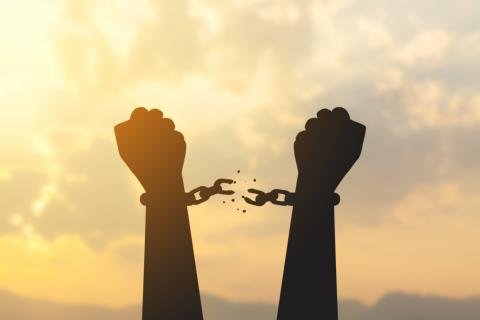
Many people believe trauma is something that happened years ago. In reality, trauma often continues to shape how we think, feel, relate, and respond long after the original events have ended. While you cannot rewrite your childhood or erase painful experiences, you can break the patterns that keep those experiences alive in the present.

How to Know You’re Making Progress in Trauma Recovery
Parts of Me… Introduction into Trauma, Emotional “Parts” & Structural Dissociation
Trauma is the physiological and psychological response to deeply disturbing or distressing events that overwhelm our ability to cope, leading to profound feelings of helplessness and hopelessness protecting ourselves (or others we care about like parents or siblings) when faced with real (or perceived) threats.
When left untreated, patterns of disturbance which are experienced for more than 1 month after a traumatic event has occurred, and cause significant disruption in social and occupational areas of one’s life often become what is known as Post-Traumatic Stress Disorder (PTSD).